Liquid Silicone Rubber (LSR) O-rings
Manufacturer & Custom Solutions
Liquid Silicone Rubber (LSR) O-rings
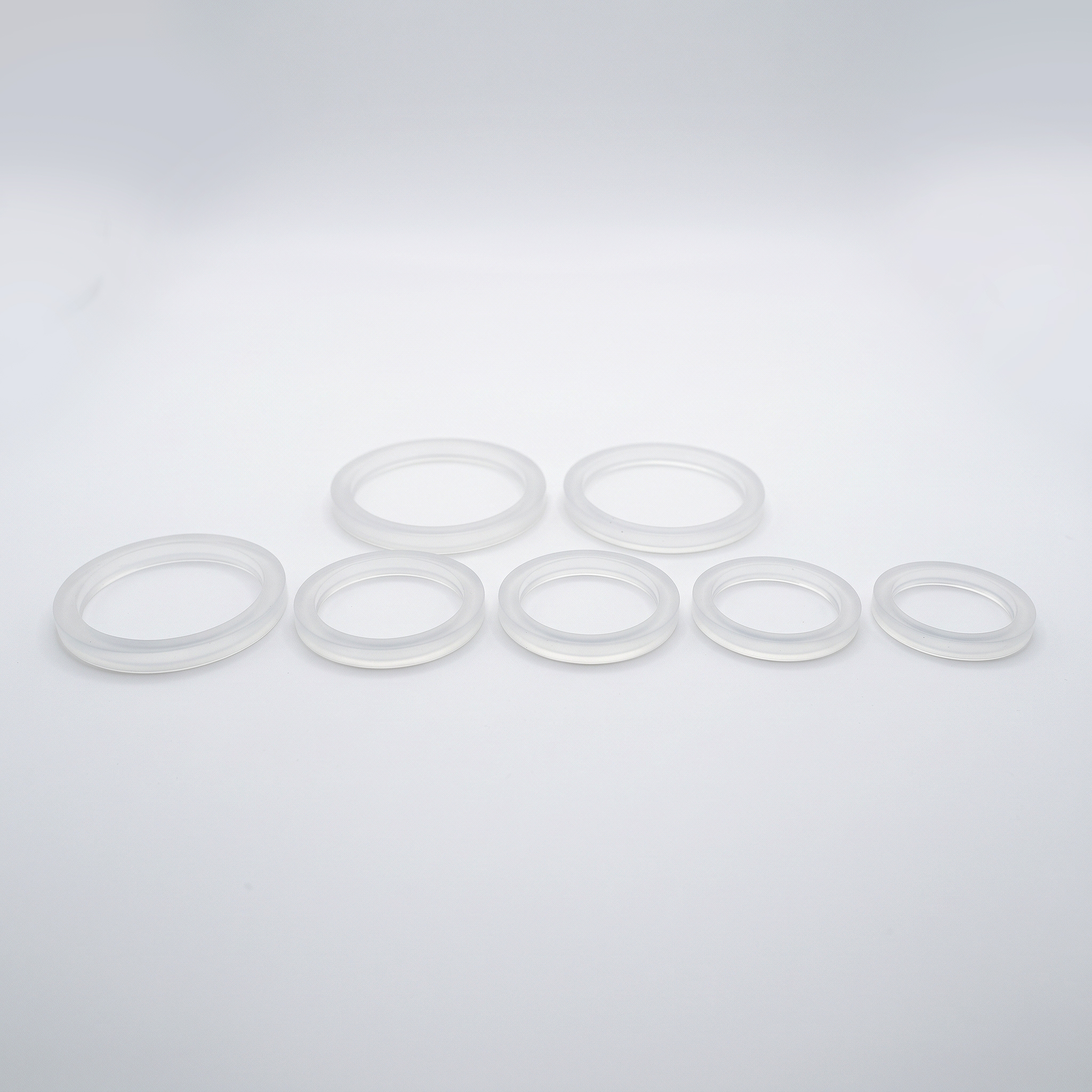
LSR O-rings from ZSR Silicone are injection molded for tight tolerances and clean surfaces. This process is ideal when you need hundreds of thousands of identical parts with zero flash. Medical and food-grade LSR is our specialty.
FDA 21 CFR 177.2600
Rubber Articles Intended for Repeated Use
LFGB 30&31
EU Food Contact Materials
USP Class VI / ISO 10993
Biocompatibility of Medical Devices
RoHS / REACH
Environmental Compliance
UL 94
Flammability of Plastic Materials
Built to Your Exact Spec
Custom Silicone O-ring Options
| Image | Product | Type | Short Info | Action |
|---|---|---|---|---|
 | ISO 3601 Metric Silicone O-Rings | Standard & Size | Metric silicone O-rings manufactured to ISO 3601 dimensions. Fits international equipment groove standards. | View Details |
 | ISO 6149 Metric Silicone O-Rings | Standard & Size | Metric O-rings designed for hydraulic and pneumatic fluid power sealing applications under ISO 6149 standards. | View Details |
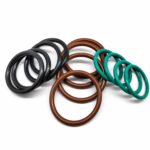 | BS 1806 Silicone O-rings | Standard & Size | British Standard inch-size silicone O-rings. Common in UK and Commonwealth industrial equipment. | View Details |
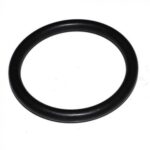 | DIN 3771 Silicone O-rings | Standard & Size | German metric standard O-rings for hydraulic and pneumatic sealing in European machinery. | View Details |
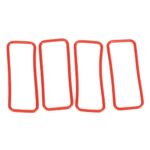 | Custom Molded Silicone O-rings | Standard & Size | Custom-shaped silicone O-rings molded to your exact drawing or sample. No standard size limitations. | View Details |
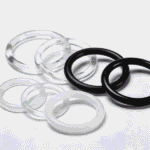 | AS568 Silicone O-rings | Standard & Size | Inch-size silicone O-rings that follow the AS568 standard. Widely used in North American machinery and hydraulic systems. | View Details |
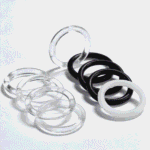 | AN6227 Silicone O-rings | Standard & Size | Aerospace-standard O-rings with small cross-section. Used in aviation and military-grade sealing. | View Details |
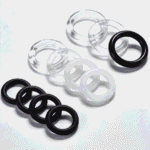 | AN6230 Silicone O-rings | Standard & Size | Aerospace-standard O-rings specified under AN6230 for aviation and military-grade sealing. | View Details |
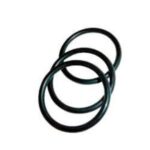 | JIS B2401 Silicone O-Ring | Standard & Size | Japanese industrial standard O-rings commonly used in Asian-manufactured machinery and automotive equipment. | View Details |
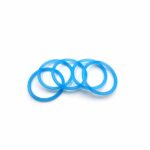 | FDA Food Grade Silicone O-Rings | Grade | Food-safe silicone O-rings compliant with FDA regulations. Safe for repeated food contact. | View Details |
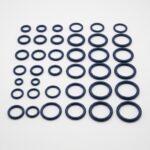 | Industrial Grade Silicone O-ring | Grade | General-purpose silicone O-rings for industrial sealing. Cost-effective with reliable performance. | View Details |
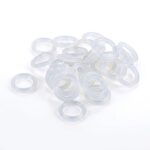 | Medical Grade Silicone O-ring | Grade | Biocompatible silicone O-rings for medical devices. Passes USP Class VI and supports sterilization. | View Details |
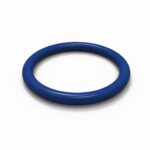 | Oil-Resistant / Fuel-Resistant Silicone O-Rings | Special Function | Modified silicone O-rings that resist swelling in oils, fuels and petroleum-based fluids. | View Details |
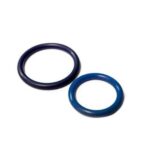 | Metal Detectable Silicone O-Rings | Special Function | Food-safe silicone O-rings with metal-detectable additives. Protects production lines from contamination. | View Details |
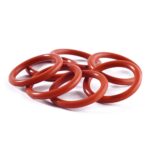 | High Temperature / Heat Resistant Silicone O-Rings | Special Function | Silicone O-rings that stay flexible at temperatures above 200°C. For ovens, engines and furnaces. | View Details |
 | VMQ Silicone O-Rings | Materials | Heat and cold-resistant silicone O-rings for food, medical, automotive, and industrial applications. | View Details |
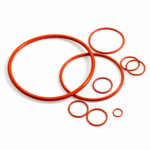 | Fiberglass Reinforced Silicone O-rings | Materials | High-strength silicone O-rings reinforced with fiberglass fabric. Withstands extreme heat and pressure. | View Details |
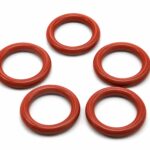 | HCR / HTV / Solid Silicone Rubber O-rings | Materials | Durable solid silicone rubber O-rings made by compression molding. The standard choice for general sealing. | View Details |
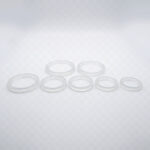 | Liquid Silicone Rubber (LSR) O-rings | Materials | Injection-molded liquid silicone rubber O-rings with tight tolerances and clean surfaces. Ideal for high-volume production. | View Details |
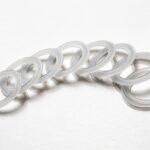 | Platinum Cured Silicone O-rings | Materials | Ultra-clean silicone O-rings cured with platinum catalyst. Lower extractables for food and medical use. | View Details |
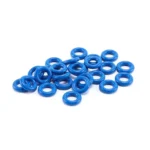 | Fluorosilicone (FVMQ) O-rings | Materials | Fuel and oil-resistant silicone O-rings for aerospace, automotive and chemical applications. | View Details |
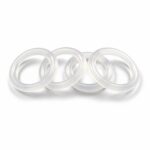 | Transparent / Clear Silicone O-rings | Color | See-through silicone O-rings for visual inspection and clean-looking medical or food equipment. | View Details |
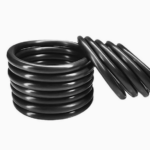 | Black / White Silicone O-Rings | Color | Standard black and white silicone O-rings. The most common colors for industrial and food-grade applications. | View Details |
 | Pantone Colors Silicone O-rings | Color | Silicone O-rings in any Pantone color for branding, color-coding or aesthetic requirements. | View Details |
 | Custom Colors Silicone O-rings | Color | Silicone O-rings matched to your exact color sample or specification. | View Details |
LSR vs HCR: Side-by-Side Comparison
At ZSR Silicone Parts, we make both LSR and HCR O-rings. The table below shows the real differences so you can pick the right process for your project.
Feature | LSR (Liquid Silicone Rubber) | HCR / HTV / Solid Silicone |
|---|---|---|
Raw Material Form | Two liquid parts (Part A + Part B) that flow like honey | Thick, solid rubber sheet or block |
Molding Process | Injection molding — material is pumped into a closed mold under pressure | Compression molding — material is placed into an open mold and pressed |
Curing Speed | Very fast — 15 to 60 seconds per cycle | Slower — 1 to 5 minutes per cycle |
Precision / Tolerance | Very high — can reach ±0.02 mm to ±0.05 mm | Good — standard tolerance is ±0.08 mm to ±0.15 mm |
Flash / Burr | Very low — closed mold keeps edges clean | Higher — open mold leaves thin flash that needs trimming |
Part Complexity | Excellent for thin walls, undercuts, and complex shapes | Best for simple round O-rings, thick cross-sections, and large parts |
Automation Level | Fully automatic — little labor, very consistent | Semi-automatic — more manual handling |
Minimum Cross-Section | As thin as 0.3 mm | Usually 0.5 mm or thicker |
Tear Strength | Moderate — good for most seals | Higher — better for parts under stress or large sizes |
Transparency | Excellent — can make crystal-clear parts | Good — but usually slightly cloudy |
Best Batch Size | 10,000 pieces and up (most cost-effective) | 100 to 50,000 pieces (flexible for small runs) |
Tooling Cost | Higher — precision injection molds | Lower — simpler compression molds |
Unit Price | Lower for high volumes due to fast cycles | Lower for small to medium volumes |
The Simple Rule:
At ZSR,, we can review your drawing and quantity to recommend the most cost-effective process.
Why LSR for Precision Sealing?
LSR injection molding is the preferred choice when your O-ring needs to fit perfectly, seal reliably, and look clean every time. Here is why ZSR customers choose LSR for precision sealing:
Near-Zero Flash
LSR molds are fully closed during injection. The liquid material fills every corner exactly, but excess material stays in the runner system. This means the O-ring comes out with almost no flash or thin burrs. Less flash means less manual trimming, lower defect rates, and cleaner grooves in your assembly.
Tight, Repeatable Tolerances
Because LSR is injected under controlled pressure and temperature, every cavity in a multi-cavity mold produces identical parts. ZSR's LSR process can hold tolerances as tight as ±0.03 mm on standard sizes. This is critical for micro-seals in medical devices, electronics, and precision instruments.
Perfect for Complex Shapes
LSR flows like a liquid, so it can fill thin walls, tiny holes, and undercuts that solid HCR cannot reach. If your seal has a non-round profile, internal ribs, or needs to bond with plastic or metal inserts, LSR is usually the only practical choice.
Fast, Consistent Production
Once the mold is running, LSR cycles in seconds, not minutes. A 32-cavity LSR mold at ZSR can produce thousands of O-rings per hour with very little variation. This speed and consistency make LSR ideal for large orders where every part must match the last.
Clean, Pure Material
LSR uses a platinum curing system. There are no peroxide by-products, no odor, and no residue. This makes LSR the natural choice for food-grade and medical-grade O-rings where purity matters.
Excellent Transparency
If you need a clear O-ring for visual inspection or light transmission, LSR delivers better clarity than HCR. ZSR can produce optical-grade transparent LSR O-rings with minimal bubbles and yellowing.
LSR Material Grades Available
ZSR does not offer just one type of LSR. We keep a range of LSR compounds in stock so we can match your exact application needs.
Grade | Description | Typical Uses |
|---|---|---|
Industrial Grade LSR | Standard silicone with good heat and ozone resistance. Cost-effective for general sealing. | Electronics housings, automotive sensors, industrial gaskets, lighting seals |
FDA Food Grade LSR | Platinum-cured, compliant with FDA 21 CFR 177.2600. No odor, no taste, safe for food contact. | Coffee machines, water dispensers, food packaging, baby products |
Medical Grade LSR | Tested to USP Class VI and ISO 10993. Biocompatible, can be sterilized by gamma, ETO, or autoclave. | Respiratory masks, IV connectors, surgical tools, diagnostic devices |
Self-Lubricating LSR | Contains internal lubricant that slowly releases to the surface. Reduces friction and sticking during assembly. | Dynamic seals, piston rings, moving valve parts |
Electrically Conductive LSR | Filled with carbon or silver particles to provide controlled electrical conductivity. | EMI shielding, anti-static seals, sensor contacts |
High-Temperature LSR | Formulated to resist 250°C–300°C for short periods without hardening. | Oven seals, engine compartments, heating equipment |
Fluorinated LSR (F-LSR) | Combines LSR processing ease with fuel and oil resistance. | Fuel system seals, automotive applications with oil exposure |
Custom Formulation
If your project needs a specific hardness, color, or additive that is not on this list, ZSR's material engineers can work with our raw material partners to develop a custom LSR compound. Just send us your specification.
What Is (LSR) Liquid Silicone Rubber?
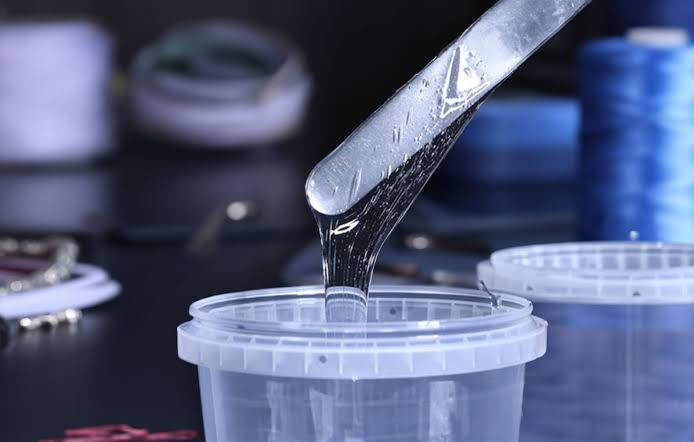
Liquid Silicone Rubber, or LSR, is a type of silicone elastomer that starts as a liquid instead of a solid. It is made from two parts — Part A and Part B — that are kept separate until just before molding. Part A contains the silicone polymer and filler. Part B contains the platinum catalyst that triggers curing. When the two parts are mixed in exact ratio, the liquid begins to cure into solid rubber when heated.
How LSR Is Made at ZSR
At ZSR Silicone Parts, LSR production follows a precise, automated process:
What Makes LSR Different from HCR
The biggest difference is the starting form. HCR is a thick, dough-like solid that must be cut and pressed into shape. LSR is a liquid that flows easily into every corner of a mold. This simple difference leads to important results:
Key Properties of LSR
Liquid Silicone Rubber is a modern, high-performance material that combines the classic benefits of silicone — heat resistance, flexibility, and safety — with the speed and precision of injection molding. At ZSR, LSR is one of our core manufacturing processes. Whether you need a simple clear O-ring or a complex medical seal, our LSR production line can deliver consistent quality at competitive volume pricing.