
Silicone Rubber Compression Molding Service
Z.S.R Group is your source for high-quality, molded custom silicone parts that transform your product drawing into vital components in today’s high-tech industrial devices. We offer our partner in industrial, consumer, commercial, to medical by high-quality custom HTV silicone rubber compression molding with our 38 sets machines.
Z.S.R silicone compression molding Capacities
Z.S.R. offers two types of custom silicone compression molding: HCR Silicone compression Molding and Silicone rubber overmolding, with different materials (Silicone, Metal, plastic, etc.). While both processes are great options your part geometry and complexity will likely determine which process to use.
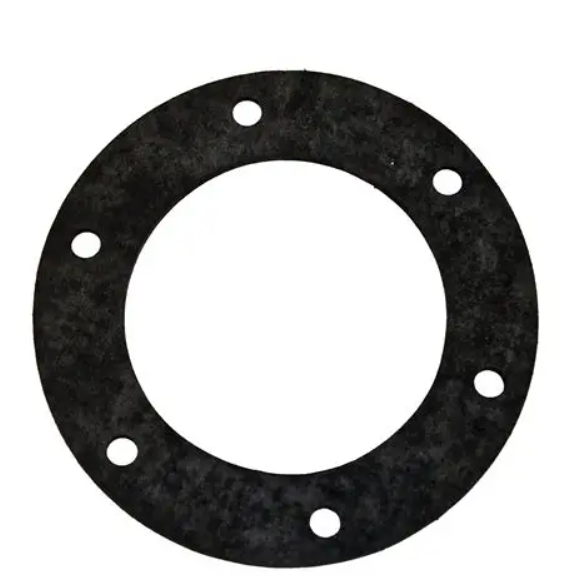
silicone compression molding
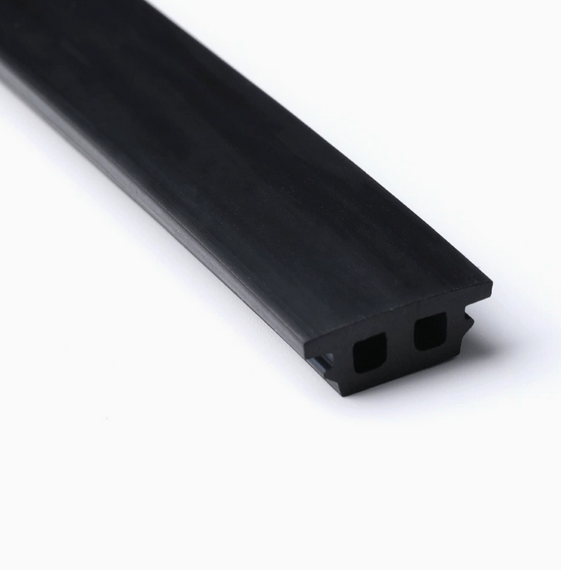
silicone over-molding

Multi-Shot insert molding
Tooling
Prototype Tooling: 10-50pcs;
Production Tooling: over 3.000 pcs
Materials
HTV Standard Silicone Rubber
Medical-Grade Silicone
Optical-Grade Silicone
Fluorosilicone (fuel and oil resistant)
Machines
Single, multi. cavity, and family molds: 50 to 300 press tonnage, side actions including handloaded
Precision Tolerances
±0.0128 mm machining tolerance with ±0.05 mm shrink rate control.
Part-to-Part Repeatability
2-20 mm
Parts size
1mm-650mm
After your files are received, we’ll review them to identify and communicate any potential Design for Manufacturability (DFM) Feedback to save money through the manufacturing process.
The Process of Silicone Compression Molding
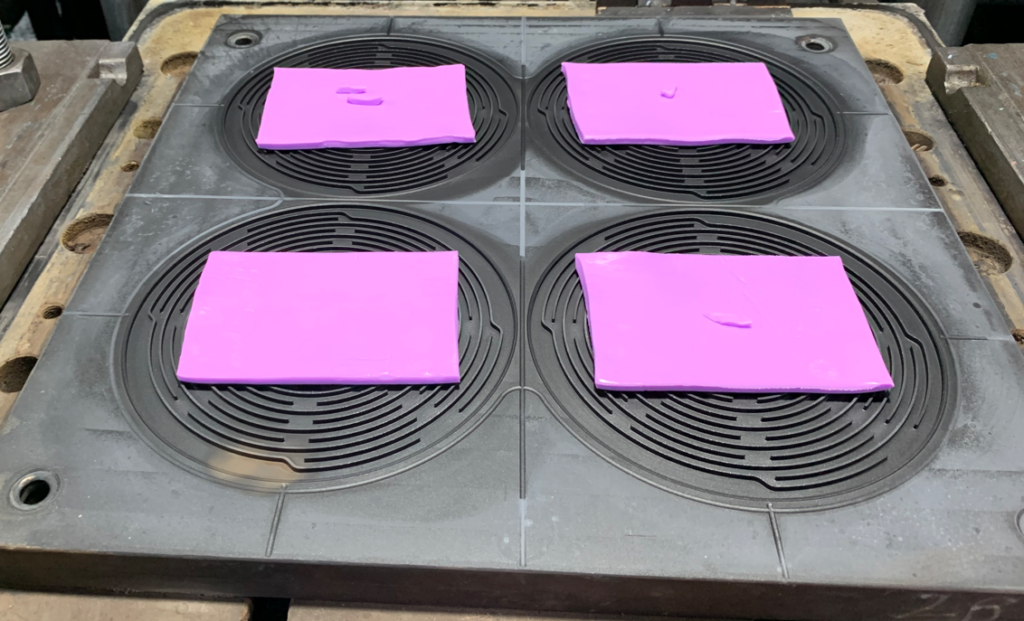
Silicone compression molding is a manufacturing process that uses heat and pressure to shape unvulcanized silicone (often raw rubber or gum) into a mold cavity. A measured, pre-vulcanized amount of block silicone rubber material is placed into an open, heated mold, which is then closed, forcing the silicone to fill the cavity and cure (vulcanize) into a finished part. After the removal of the item from the mold, the post-molding process may include de-flashing, post-curing, inspection, and packaging. Finally, the finished molded silicone products are packaged for transportation and sales.
- Manual Cutting: The rubber compound is cut to the required weight.
- Loading into Cavity: The compound is placed—either manually or mechanically—into a preheated mold (typically 150–180°C).
- Mold Closing and Pressurization: The mold closes and applies pressure, forcing the compound to fill the mold cavity.
- Vulcanization and Molding: Cross-linking occurs via peroxide or platinum-based systems; the vulcanization time is relatively long (2–10 minutes).
- Demolding and Trimming: After opening the mold, the finished part is removed; flash (excess material) often requires trimming.
Where Are Silicone compression molding Parts Used?
Due to silicone’s unique set of properties, it has become one of the most popular elastic materials and you can find examples of custom silicone rubber compression molding across many industries. Here are some industries where silicone compression molding is used:

Medical Industry
Catheters Implantable cartridge
O-rings, Gaskets and Plugs
Storage devices

Automotive Industry
Valve Membranes
O-rings and gaskets
Vibration dampeners
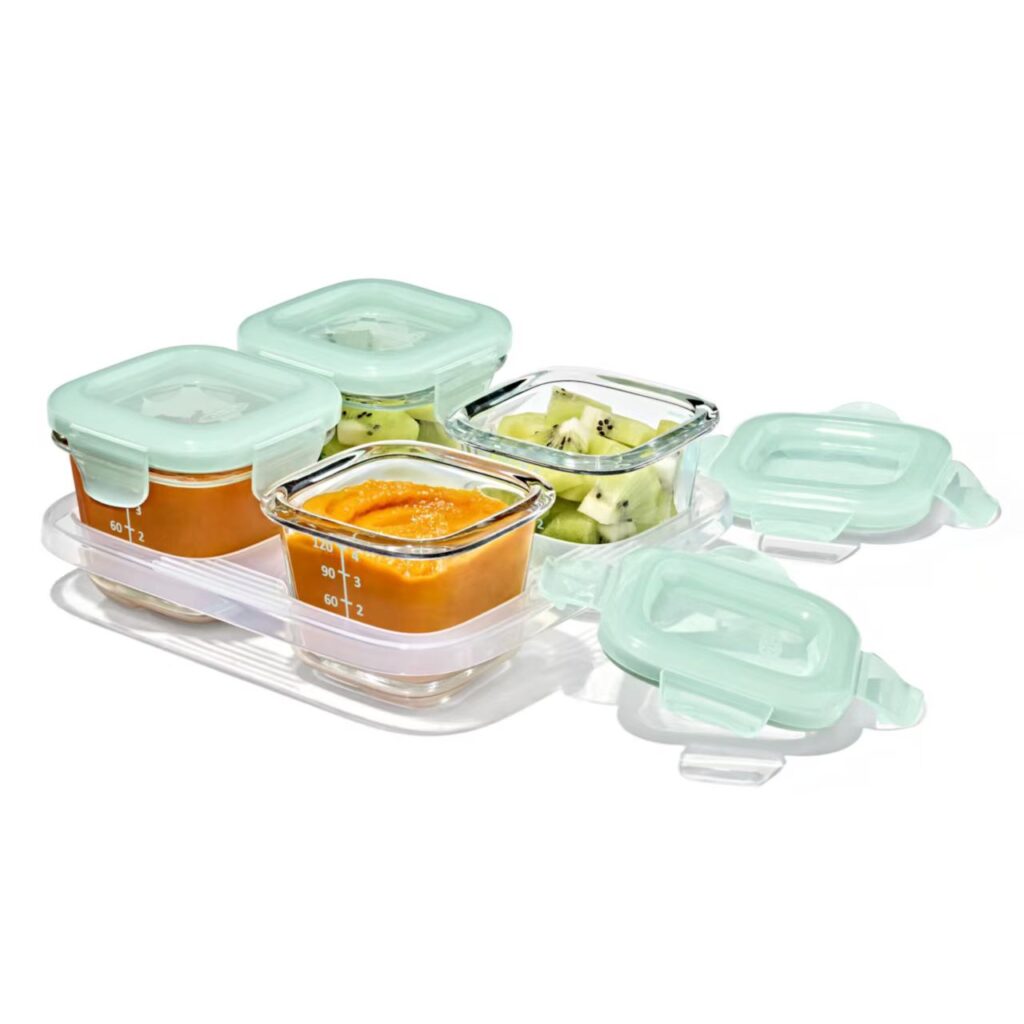
Food/Appliance Industry
Silicone baking dishes
Flexible ice cube trays
Baby bottle nipples

Electronics Industry
Cell phone cases
Gaskets and dampeners
Tactile buttons
Materials & Specifications
Choose the right material for your application. We support custom material selection based on performance, regulatory, and budget requirements.
HTV Standard Silicone Rubber
20,30, 40, 50, 60, 70 and 80 durometers
Medical-Grade Silicone
FDA / ISO 10993 compliant
Optical-Grade Silicone
High transparency, UV stable
Fluorosilicone
Fuel and oil resistant
Available Mold Types
Steel (tool steel, carbon steel) and aluminum molds. Production grades range from Class S50C (prototype) to S136 (extremely high production). Single, multi-cavity, and family molds with side actions including hand-loaded. Tighter tolerances can be requested and may increase tooling cost due to additional sampling. Z.S.R mills to a steel-safe condition on critical features.