Fluorosilicone (FVMQ) O-rings
Manufacturer & Custom Solutions
Fluorosilicone (FVMQ) O-rings
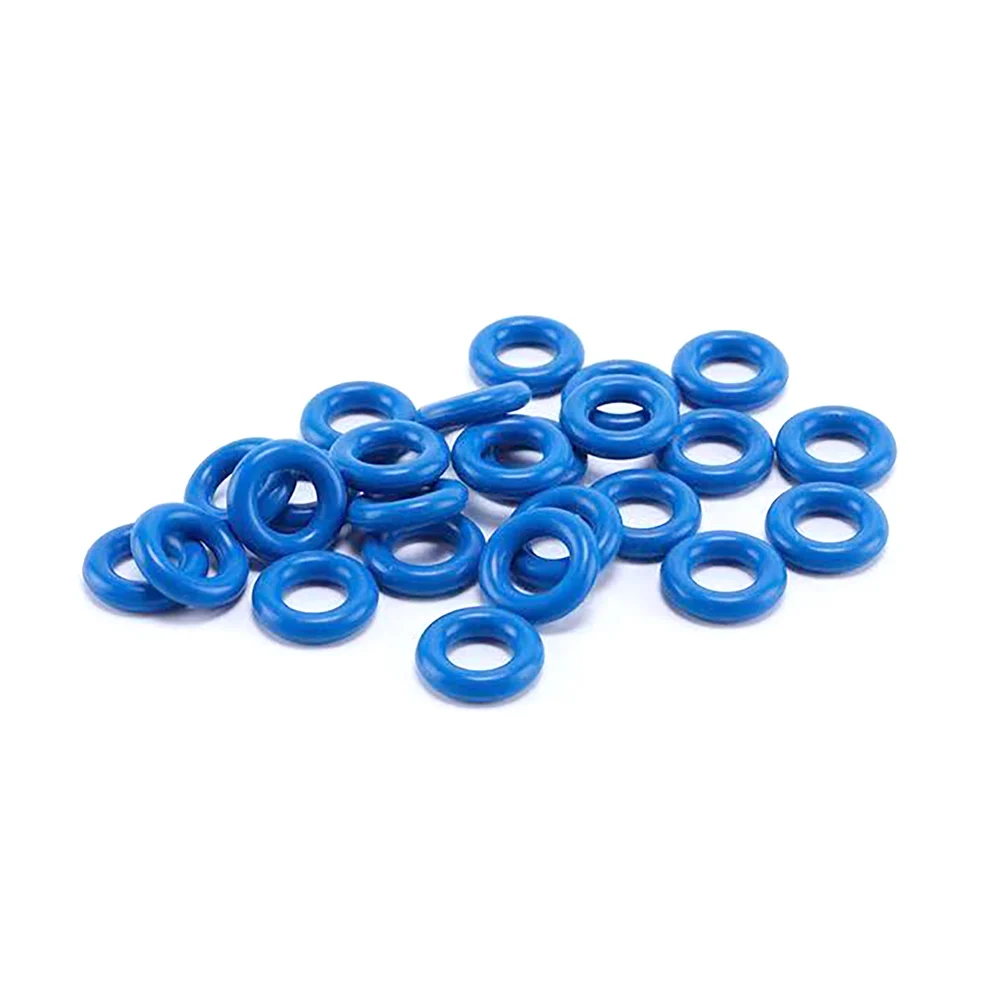
FVMQ fluorosilicone O-rings from ZSR Silicone resist fuels, oils and solvents far better than standard VMQ, while keeping the wide temperature range silicone is famous for. Use them in aerospace fuel systems, automotive transmissions and chemical processing equipment.
FDA 21 CFR 177.2600
Rubber Articles Intended for Repeated Use
LFGB 30&31
EU Food Contact Materials
USP Class VI / ISO 10993
Biocompatibility of Medical Devices
RoHS / REACH
Environmental Compliance
UL 94
Flammability of Plastic Materials
Built to Your Exact Spec
Custom Silicone O-ring Options
| Image | Product | Type | Short Info | Action |
|---|---|---|---|---|
 | ISO 3601 Metric Silicone O-Rings | Standard & Size | Metric silicone O-rings manufactured to ISO 3601 dimensions. Fits international equipment groove standards. | View Details |
 | ISO 6149 Metric Silicone O-Rings | Standard & Size | Metric O-rings designed for hydraulic and pneumatic fluid power sealing applications under ISO 6149 standards. | View Details |
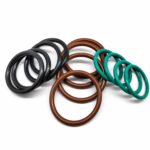 | BS 1806 Silicone O-rings | Standard & Size | British Standard inch-size silicone O-rings. Common in UK and Commonwealth industrial equipment. | View Details |
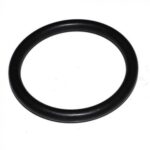 | DIN 3771 Silicone O-rings | Standard & Size | German metric standard O-rings for hydraulic and pneumatic sealing in European machinery. | View Details |
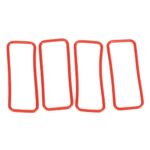 | Custom Molded Silicone O-rings | Standard & Size | Custom-shaped silicone O-rings molded to your exact drawing or sample. No standard size limitations. | View Details |
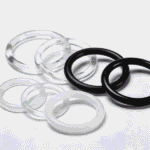 | AS568 Silicone O-rings | Standard & Size | Inch-size silicone O-rings that follow the AS568 standard. Widely used in North American machinery and hydraulic systems. | View Details |
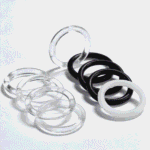 | AN6227 Silicone O-rings | Standard & Size | Aerospace-standard O-rings with small cross-section. Used in aviation and military-grade sealing. | View Details |
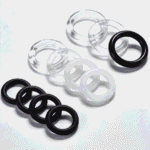 | AN6230 Silicone O-rings | Standard & Size | Aerospace-standard O-rings specified under AN6230 for aviation and military-grade sealing. | View Details |
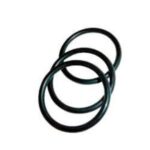 | JIS B2401 Silicone O-Ring | Standard & Size | Japanese industrial standard O-rings commonly used in Asian-manufactured machinery and automotive equipment. | View Details |
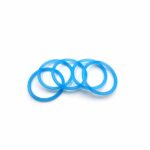 | FDA Food Grade Silicone O-Rings | Grade | Food-safe silicone O-rings compliant with FDA regulations. Safe for repeated food contact. | View Details |
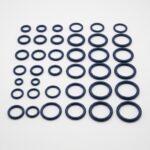 | Industrial Grade Silicone O-ring | Grade | General-purpose silicone O-rings for industrial sealing. Cost-effective with reliable performance. | View Details |
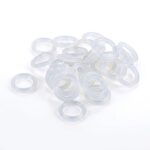 | Medical Grade Silicone O-ring | Grade | Biocompatible silicone O-rings for medical devices. Passes USP Class VI and supports sterilization. | View Details |
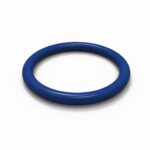 | Oil-Resistant / Fuel-Resistant Silicone O-Rings | Special Function | Modified silicone O-rings that resist swelling in oils, fuels and petroleum-based fluids. | View Details |
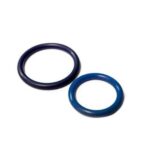 | Metal Detectable Silicone O-Rings | Special Function | Food-safe silicone O-rings with metal-detectable additives. Protects production lines from contamination. | View Details |
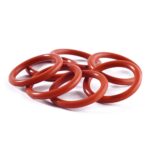 | High Temperature / Heat Resistant Silicone O-Rings | Special Function | Silicone O-rings that stay flexible at temperatures above 200°C. For ovens, engines and furnaces. | View Details |
 | VMQ Silicone O-Rings | Materials | Heat and cold-resistant silicone O-rings for food, medical, automotive, and industrial applications. | View Details |
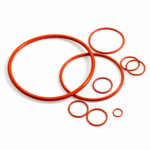 | Fiberglass Reinforced Silicone O-rings | Materials | High-strength silicone O-rings reinforced with fiberglass fabric. Withstands extreme heat and pressure. | View Details |
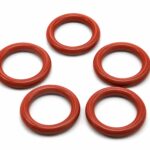 | HCR / HTV / Solid Silicone Rubber O-rings | Materials | Durable solid silicone rubber O-rings made by compression molding. The standard choice for general sealing. | View Details |
 | Liquid Silicone Rubber (LSR) O-rings | Materials | Injection-molded liquid silicone rubber O-rings with tight tolerances and clean surfaces. Ideal for high-volume production. | View Details |
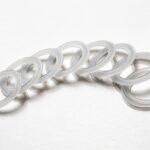 | Platinum Cured Silicone O-rings | Materials | Ultra-clean silicone O-rings cured with platinum catalyst. Lower extractables for food and medical use. | View Details |
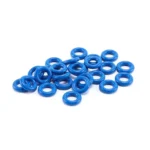 | Fluorosilicone (FVMQ) O-rings | Materials | Fuel and oil-resistant silicone O-rings for aerospace, automotive and chemical applications. | View Details |
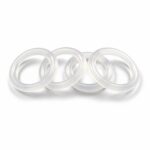 | Transparent / Clear Silicone O-rings | Color | See-through silicone O-rings for visual inspection and clean-looking medical or food equipment. | View Details |
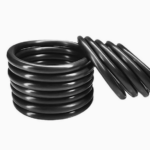 | Black / White Silicone O-Rings | Color | Standard black and white silicone O-rings. The most common colors for industrial and food-grade applications. | View Details |
 | Pantone Colors Silicone O-rings | Color | Silicone O-rings in any Pantone color for branding, color-coding or aesthetic requirements. | View Details |
 | Custom Colors Silicone O-rings | Color | Silicone O-rings matched to your exact color sample or specification. | View Details |
FVMQ vs Standard VMQ: Key Differences
If your O-ring needs to handle fuel, oil, or solvents, standard silicone (VMQ) will swell and fail quickly. Fluorosilicone (FVMQ) solves this problem. The table below shows the key differences.
Feature | Standard Silicone (VMQ) | Fluorosilicone (FVMQ) |
|---|---|---|
Base Material | Silicone rubber with methyl and vinyl groups | Silicone rubber with trifluoropropyl side groups |
Temperature Range | -60°C to +230°C | -55°C to +200°C (some grades to +230°C short-term) |
Fuel Resistance | Poor — swells and softens in gasoline, diesel, jet fuel | Excellent — minimal swelling in most fuels and oils |
Oil Resistance | Fair — not suitable for long-term oil contact | Excellent — resists mineral oils, lubricants, hydraulic fluids |
Low-Temp Flexibility | Excellent | Excellent — stays flexible at -55°C or below |
Aromatic Resistance | Poor — degrades in benzene, toluene, xylene | Good to excellent — resists aromatic hydrocarbons |
Tensile Strength | Low to moderate | Similar to VMQ — moderate |
Tear Strength | Moderate | Moderate — slightly lower than VMQ in some grades |
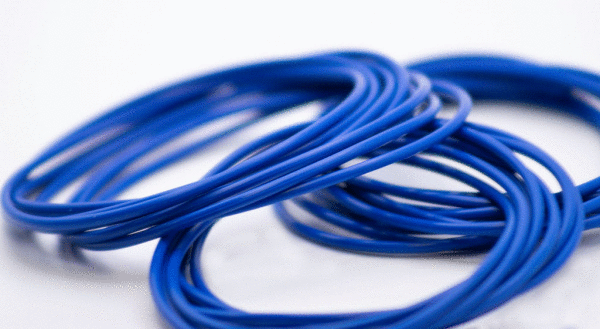
Color Options | Wide range — black, white, red, transparent, custom | Limited — usually blue, black, brown, or red-brown |
Typical Cost | Lower | Higher — due to fluorinated raw materials |
Best For | Food, medical, electronics, static air seals | Fuel systems, aerospace, automotive oil seals, chemical exposure |
The Simple Rule at ZSR:
Fluid Compatibility Guide
ZSR's FVMQ O-rings are designed for harsh chemical environments. Use the guide below to check if FVMQ fits your application.
Fluid / Chemical | Compatibility | Notes |
|---|---|---|
Gasoline (unleaded) | Excellent | Minimal swelling, long service life |
Diesel | Excellent | Standard choice for automotive fuel seals |
Jet Fuel (Jet A, Jet A-1) | Excellent | Meets military aerospace fuel seal requirements |
Aviation Gasoline | Excellent | Common in aircraft engine and fuel system seals |
Mineral Oil | Excellent | Resists most industrial and automotive lubricants |
Synthetic Lubricants (diester base) | Good to Excellent | Check specific oil type with ZSR team |
Hydraulic Fluids (petroleum base) | Excellent | Suitable for aerospace and industrial hydraulics |
Aromatic Hydrocarbons (benzene, toluene) | Good | Some swelling possible but far better than VMQ |
Alcohols (methanol, ethanol) | Good | Generally compatible |
Ketones (MEK, acetone) | Fair to Poor | Not recommended for long-term exposure |
Esters | Fair | Limited compatibility — consult ZSR |
Strong Acids (concentrated HCl, H₂SO₄) | Poor | Rapid degradation — do not use |
Strong Bases (concentrated NaOH, KOH) | Poor | Not recommended |
Steam (over 100°C) | Poor | Prolonged steam exposure causes swelling |
Water (fresh or salt) | Fair | Short-term OK, but long-term water exposure can swell |
Brake Fluid (DOT 3, DOT 4) | Poor | Most glycol-based brake fluids attack FVMQ |
Ozone / UV / Weathering | Excellent | Maintains properties over long outdoor exposure |
Need Help?
If your fluid is not on this list, send ZSR the MSDS or fluid name. Our engineering team can check compatibility and recommend the right FVMQ compound or an alternative material.
Certifications & Testing
At ZSR Silicone Parts, we verify every batch of FVMQ O-rings with strict testing and documentation. Here is what we can provide.
Certification / Test | Description | Availability |
|---|---|---|
ASTM D1418 | Standard material classification for FVMQ elastomers | Standard on all FVMQ orders |
ASTM D2000 | Rubber classification system for automotive and industrial use — includes hardness, tensile strength, elongation, and heat aging grades | Available on request |
MIL-R-25988 / AMS-R-25988 | U.S. military specification for fluorosilicone rubber sheets and molded parts — covers fuel resistance, low-temp performance, and aging | Available for aerospace and defense orders |
AMS 3325 | Aerospace material specification for fluorosilicone rubber | Available for aerospace orders |
RoHS Compliance | Restricts hazardous substances in electrical and electronic equipment | Standard — SGS-verified |
REACH Compliance | EU regulation on chemical safety and registration | Standard — SGS-verified |
Halogen-Free | Confirms low halogen content for sensitive electronics | Available on request |
ZSR In-House Testing Capabilities:
Test | Standard | What It Measures |
|---|---|---|
Hardness | ASTM D2240 | Shore A durometer — confirms grade |
Tensile Strength & Elongation | ASTM D412 | How strong and stretchy the material is |
Compression Set | ASTM D395 | Ability to spring back after long-term squeezing |
Heat Aging | ASTM D573 | Performance after exposure to high temperature |
Fluid Immersion | ASTM D471 | Volume change and property retention after soaking in fuel or oil |
Low-Temperature Retraction | ASTM D1329 (TR-10) | How flexible the O-ring stays at sub-zero temperatures |
Fuel Immersion (Military) | TT-S-735 | Specific fuel resistance test for aerospace applications |
Documentation ZSR Provides:
Certificate of Analysis (COA) per batch
Material datasheets with full property tables
Compliance declarations (RoHS, REACH)
Custom test reports for OEM and aerospace customers
What Is Fluorosilicone (FVMQ)?
Fluorosilicone, also known as FVMQ, is a special type of silicone rubber. The name comes from its chemical structure: it is a silicone polymer (VMQ) with fluorine atoms added to the side chains. These fluorine groups are what give FVMQ its fuel and oil resistance.
How It Is Different from Regular Silicone
Standard silicone rubber (VMQ) has a backbone of silicon and oxygen atoms with methyl and vinyl side groups. This structure gives VMQ excellent heat resistance and flexibility, but it has one big weakness: hydrocarbons. When regular silicone meets gasoline, diesel, or oil, the hydrocarbon molecules enter the rubber and cause it to swell, soften, and lose strength.
FVMQ fixes this by replacing some methyl groups with trifluoropropyl groups. The fluorine in these groups repels hydrocarbons. The result is a rubber that keeps the wide temperature range and flexibility of silicone while resisting fuels and oils almost as well as fluorocarbon rubber (FKM/Viton).
Key Properties of FVMQ
How FVMQ Is Made at ZSR
At ZSR, we produce FVMQ O-rings by compression molding or injection molding, depending on the size and quantity. The raw material is a high-consistency rubber compound (HCR) or liquid silicone rubber (LSR) that contains the fluorosilicone polymer, fillers, and curing agents. After molding, the parts may receive a short post-cure to stabilize the material and remove any trace volatiles.
When to Choose FVMQ FVMQ is the right material when your application needs both of these at the same time:
- Resistance to fuel, oil, or solvents
- Good performance at very low temperatures
If you only need fuel resistance and your operating temperature is always above -20°C, FKM/Viton may be a cheaper option. If you only need low-temperature flexibility and never touch fuel, standard VMQ is the better value. But when you need both, FVMQ is often the only practical choice.