
Fast Custom Silicone Prototypes in 7–15 Days
From CAD design to molded silicone samples, Z.S.R provides rapid silicone prototyping services with engineering support, DFM analysis, and fast tooling manufacturing.
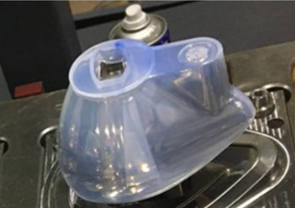
Validate before you commit to mass production
WHY SILICONE PROTOTYPING
Rapid prototyping is the fastest way to validate your silicone part design before mass production. It helps reduce development risk, improve manufacturability, and accelerate your time to market.
Rapid prototyping combined with parallel testing can shorten development cycles by 30–50%.
3-Step from design to molded parts
Submit Your Design
(1–3 Days)
Send us your:
CAD / STP / STEP / IGS / PDF drawings
Material requirements
Hardness requirements
Quantity information
Application details
Our engineers will review your files and provide DFM feedback before tooling begins.
Prototype Mold Manufacturing (3–7 Days)
We design and machine prototype tooling using:
CNC machining
EDM machining
Aluminum or steel tooling
Depending on your project timeline, budget, and production plan, we will recommend the best tooling solution.
Silicone Parts Molding & Delivery (3–7 Days)
After tooling is completed:
Silicone samples are molded
Quality inspection is performed
Parts are packaged and shipped
We can deliver: 1,000–25,000 production parts within 35 business days, 1–100 prototype parts within days
Upload your CAD files and technical drawing to get an instant quote
PDF/ CAD/IGS/STP/STEP/X-T
Engineering & DFM Support
Tooling Design Support
4 dedicated tooling engineers providing DFM review before mold making. Expert guidance on undercuts, wall thickness, and draft angles.
- Draft angle recommendations
- 4 tooling engineers on staff
- DFM review before mold making
- Undercut & wall thickness analysis
Mold Machining
CNC + EDM machining with aluminum or steel mold options. Steel-safe critical dimension adjustments after sample testing.
- Prototype & production tooling
- CNC + EDM machining
- Aluminum or steel mold options
- Steel-safe critical dimensions
Surface Finish
3High-polish surfaces available. Recommended D2 surface finish for optimal silicone release and reduced demolding time.
- Reduced demolding time
- High-polish surfaces available
- D2 surface recommended
- Optimal silicone release
Materials & Molding
Compression molding, LSR injection, silicone overmolding, and multi-shot insert molding capabilities.
- Compression molding
- LSR injection molding
- Silicone overmolding
- Multi-shot insert molding
Z.S.R Silicone Parts Rapid Prototyping Capacities
Silicone prototype tooling making, silicone rubber compression molding, LSR molding, silicone over-molding, Multi-Shot insert molding (HCR/LSR/Thermoplastic/Metal)Drawing Type Accepted: PDF/ CAD/IGS/STP/STEP/X-T
Lead time
From 15 business days
Tooling type
Prototype: 10–50pcs
Production: 3000+ pcs
Materials
HCR/HTV Standard Silicone Rubber/LSR; Medical-Grade / Optical-Grade Silicone Rubber, Fluorosilicone (fuel and oil resistant)
Hardness
20A / 30A / 40A / 50A / 60A / 70A / 80A
Machines
Single, cavity, and family molds: 50 to 300 press tonnage, side actions including handloaded
Mold Cavity Tolerances
±0.05 mm when machining, the mold and an additional ±0.128 mm when calculating for shrink rate
Part to Part Repeatability
2-20 mm
Mold Type
Copper, Steel (tool steel, carbon steel) and aluminum; Production grades range from Class S50C a prototype mold, to Class P20, an extremely high production mold.
Size
1mm-650mm
Color
Max available colors in one product: less than 2 colors
Silicone Molding Types
Silicone Compression Molding
Unvulcanized silicone rubber is placed into the mold cavity and cured under heat and pressure. Ideal for simpler geometries and cost-sensitive projects.
| Material state | Solid rubber (HCR/HTV) |
| Best for | 1–100 pcs samples, 1000–25,000 pcs small batch |
| Cost | Lower tooling investment |
| Lead time | 7–15 days |
| Recommended | Simpler structures, cost-sensitive projects |
LSR (Liquid Silicone Rubber) Molding
Liquid silicone rubber is mixed in a 1:1 ratio and injected into a hot mold through a cold-runner system for fast curing and high-volume production.
| Material state | Liquid (two-part A+B) |
| Best for | Higher volume, complex geometries |
| Cost | Higher initial tooling |
| Lead time | 10–20 days |
| Recommended | Complex parts, consistency-critical applications |
The industry we serve
Due to silicone’s unique properties, it has become one of the most popular elastic materials, and you can find examples of custom silicone rubber prototypes across many industries. Here are some industries where silicone prototypes can be used:

Medical Industry
Catheters Implantable cartridge
O-rings, Gaskets and Plugs
Storage devices

Automotive Industry
Valve Membranes
O-rings and gaskets
Vibration dampeners
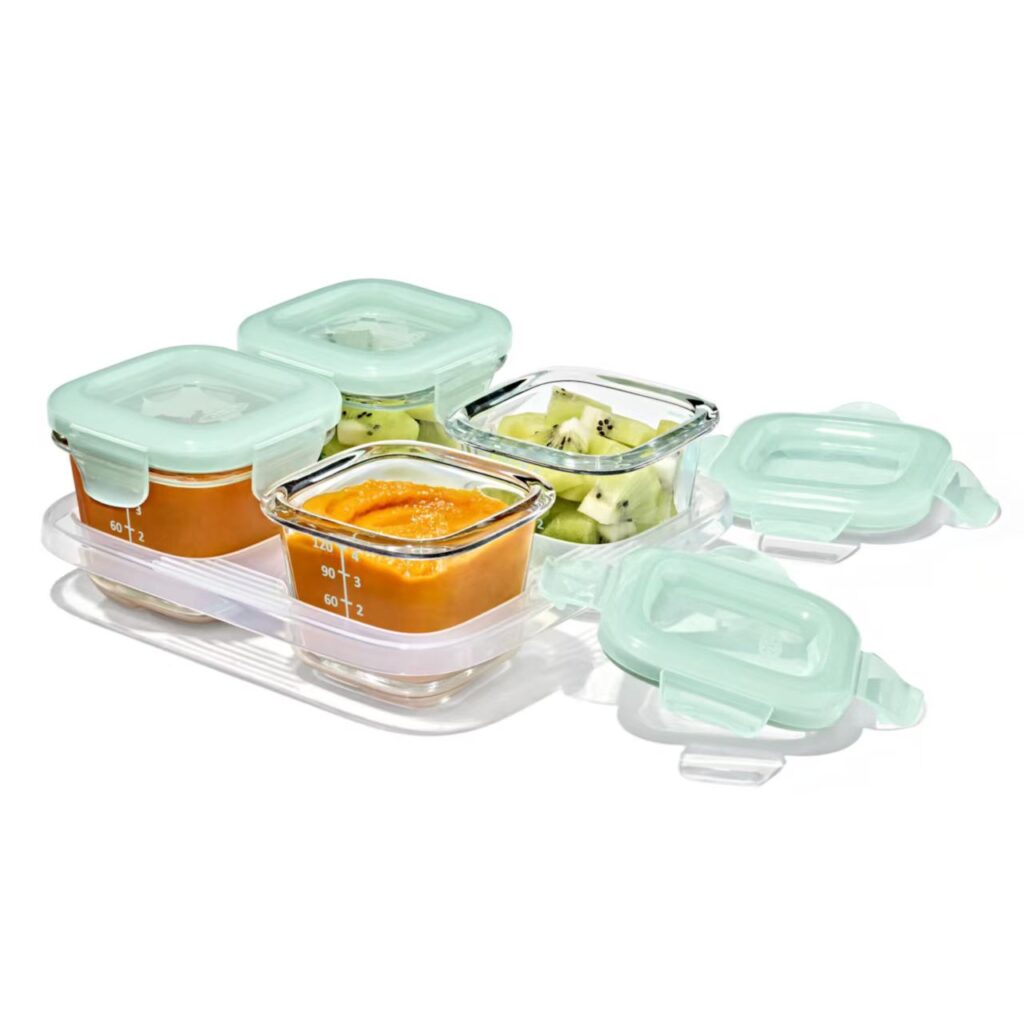
Food/Appliance Industry
Silicone baking dishes
Flexible ice cube trays
Baby bottle nipples
Electronics Industry
Cell phone cases
Gaskets and dampeners
Tactile buttons
Aerospace Industry
Seals, vibration isolators
Industrial
Construction seals, gaskets
Personal Care
Brushes, applicators
Consumer Products
Household goods, accessories
Pet Products
Bowls, toys, feeders
4 Ways to Prototype Silicone Parts — Compared
There is more than one route to a silicone prototype. Mold-based prototyping uses the real production material and process, which is why most engineering teams choose it for functional validation.
| Method | Lead Time | Tooling Cost | Qty | Best For | Limitation |
|---|---|---|---|---|---|
| Prototype compression mold (ZSR core service) | 7–15 days | From $599 | 1–100 pcs | Functional parts in production-grade HCR/LSR material; DFM-validated before mass production | Simple to moderate geometries |
| LSR pilot mold | 10–20 days | Higher initial tooling | 100–1,000 pcs | Complex geometries, consistency-critical parts, bridge to volume | Higher upfront cost |
| Vacuum casting (silicone tooling) | 5–10 days | Low | 1–20 pcs | Early look-and-feel parts | Not the production process; material properties differ |
| 3D-printed silicone (additive) | 2–5 days | No tooling | 1–5 pcs | Form exploration only | Limited materials, poor mechanical properties vs. molded rubber |
ZSR specializes in mold-based rapid prototyping — compression molding and LSR injection — so the sample you test is the same material and process as your final production part. That eliminates the most common prototyping risk: approving a part that cannot be manufactured the same way twice.
Lead Time & Volume: What to Expect
Typical timelines from confirmed drawing to shipped parts.
| Stage | Standard | Expedited | Notes |
|---|---|---|---|
| DFM review & quote | 24 hours | Same day | Free with every inquiry |
| Prototype mold making | 3–7 days | 72 hours | CNC + EDM, aluminum or steel |
| Sample molding & QC | 3–7 days | 48 hours | Full dimension report included |
| Door-to-door total | 7–15 days | As fast as 3 days | Express shipping available |
| Production after approval | 1,000–25,000 pcs in 35 days | — | Same tool continues to production when steel |
Prototype Tooling Cost: What Drives the Price
Prototype tooling starts at $599. Four factors decide where your project lands in that range.
Part Size & Cavities
Larger parts and multi-cavity layouts need more machining time. A single-cavity palm-size part sits at the low end; family molds cost more but cut per-part price.
Tool Steel vs. Aluminum
Aluminum is faster to machine and cheaper — right for 1–100 prototype parts. Steel costs more upfront but survives 3,000+ shots, so the same tool goes straight into small-batch production.
Geometry Complexity
Undercuts, side actions and tight tolerances (±0.05 mm) add EDM work. Send the drawing early — our DFM review often suggests small design changes that save real tooling cost.
Surface Finish
High-polish or textured cavities add finishing time. For validation parts, a standard D2 finish is usually enough.
Steel-Safe Design
We machine prototype tools “steel-safe” — critical dimensions left with adjustment stock — so sample feedback turns into corrections, not a new tool.
How to Save
Combine multiple part variants into one family mold, accept standard tolerance where you can, and prototype with the production material the first time to avoid re-validation.
Rapid Prototyping FAQs
The questions engineering buyers ask us most, answered directly.