
Silicone Over & Insert Molding
Z.S.R Group is your source for high-quality, custom silicone over-molded parts that transform your product drawing into vital components in today’s high-tech industrial devices. We offer our partner in industrial, consumer, commercial to medical by high-quality custom silicone over molding with our 12 sets LSR injection machine and 38 sets HTV compression molding machine.
Z.S.R Silicone Over & Insert Molding Capacities
Z.S.R offer two different types of custom Over & Insert molding: (Liquid Silicone Injection Molding) LSR over molding: LSR over molding with different materials (silicone, Metal, plastic, etc). and compression over-molding. While both processes are great options your part geometry and complexity will likely determine which process to use.
Tooling
Prototype Tooling: 10-50pcs;
Production Tooling: over 3.000 pcs
Materials
Liquid silicone rubber& HCR & HTV silicone rubber; Standard Silicone (30, 40, 50, 60, and 70 durometers); Medical-Grade Silicone; Optical-Grade Silicone; Fluorosilicone (fuel and oil resistant)
Machines
Single, multi. cavity, and family molds: 50 to 300 press tonnage, side actions including handloaded
Precision Tolerances
±0.05 mm when machining, the mold and an additional ±0.128 mm when calculating for shrink rate
Part-to-Part Repeatability
2-20 mm
Parts size
1mm-650mm
After your files are received, we’ll review them to identify and communicate any potential Designing for Manufacturability (DFM) Feedback to save money through the manufacturing process.
The Process of Silicone Over & Insert Molding
Silicone over-molding is a molding process that molds silicone over, under, or through a substrate material to complete the final part. It involves over-molding silicone rubber onto a wide variety of thermoplastics, metals, electronics, and other substrates. We often over-mold silicone rubber to plastic parts and metal inserts to absorb shock, act as a seal, serve as a protective cover, or give a soft feel to the touch. Insert molding uses pre-placed components, while over-molding often uses multi-shot processes for high-volume, seamless bonding.
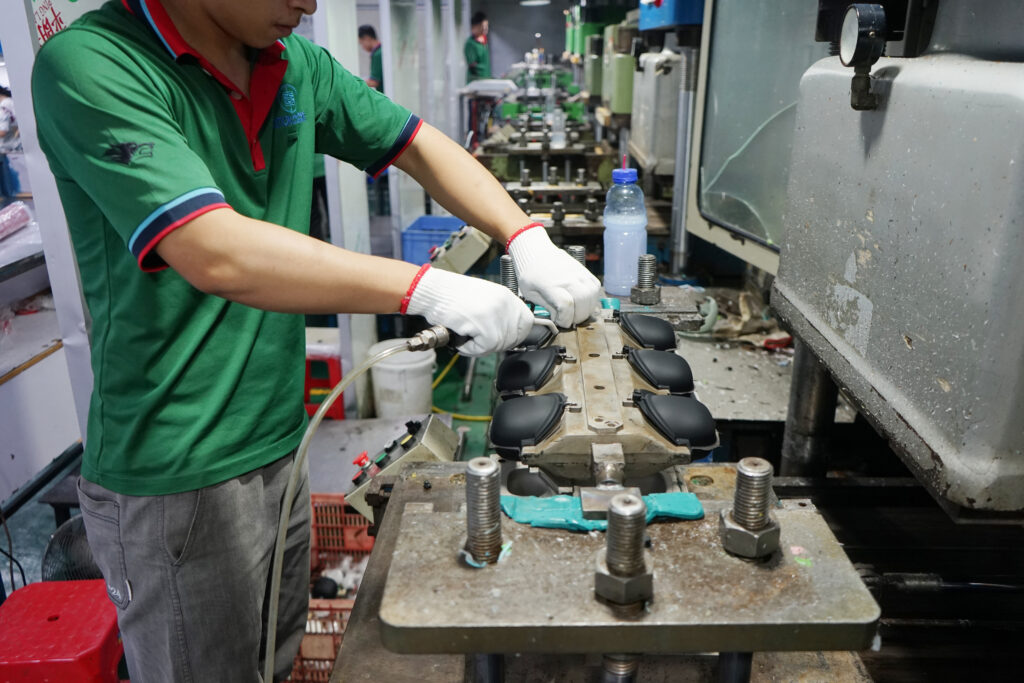
- Inquiry & Drawing Review: We review your PDF, CAD, IGS, STP, STEP, or X-T files for feasibility.
- DFM Feedback: Design for Manufacturability feedback to optimize bonding and reduce cost.
- Substrate Preparation: Metal, plastic, or silicone substrates are cleaned and prepared for bonding.
- Tooling / Mold Making: Precision molds designed for multi-material injection or compression over-molding.
- Sample / Prototype: First shots to validate bond strength, fit, and functional performance.
- Trial Run & Approval: Process validation, dimensional inspection, and bond integrity testing.
- Mass Production: Stable over-molding cycles with automated substrate placement and monitoring.
- Inspection & Shipment: Bond pull testing, final inspection, and secure packaging for delivery.
Where Are Silicone Over & Insert Molding Used?
Due to silicone’s unique set of properties, it has become one of the most popular elastic materials and you can find examples of custom LSR molding across many industries. Here are some industries where Liquid silicone rubber injection molding is used:
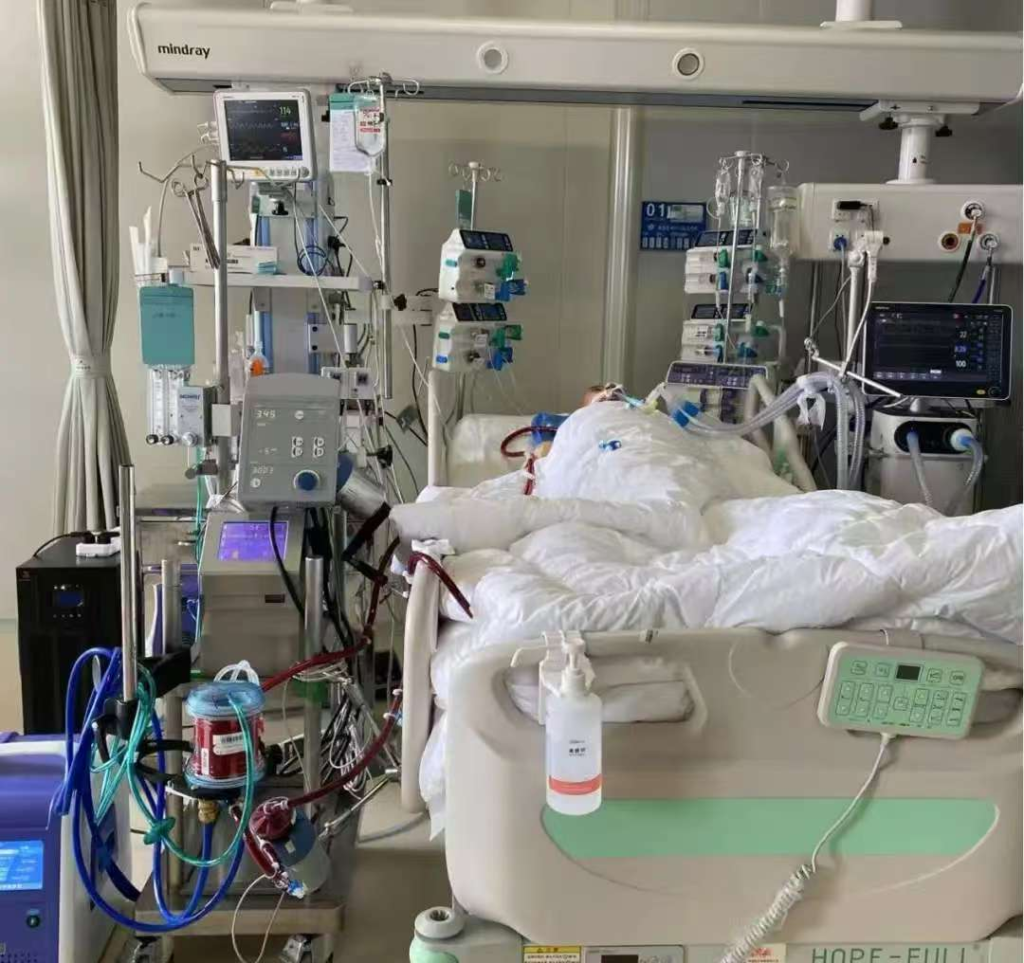
Medical Industry
Surgical instrument grips, syringe plungers, wearable health monitors, catheters, and sealing components in diagnostic equipment
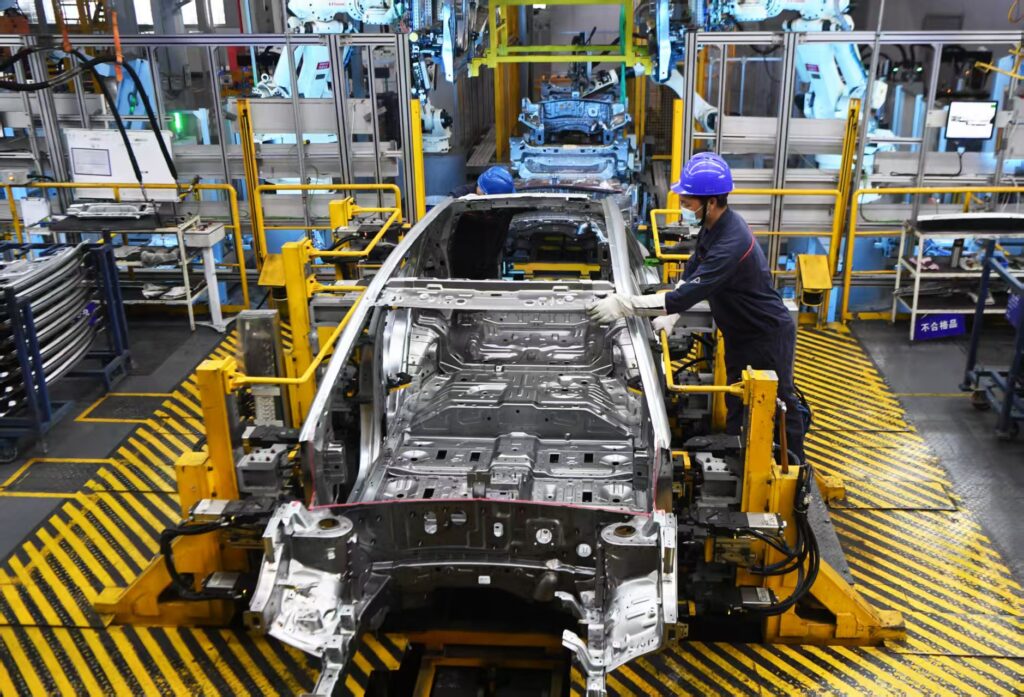
Automotive Industry
Seals, gaskets, electric connectors, and vibration-dampening interior parts

Electronic Industry
Screwdrivers, toothbrushes, and provide shock absorption and waterproofing for electronic devices

Construction industry
Seals in machinery, valves, and water heaters
Materials & Specifications
We work with LSR, HCR, and HTV silicone rubbers, bonding them to metal, plastic, and other substrates for optimal performance.
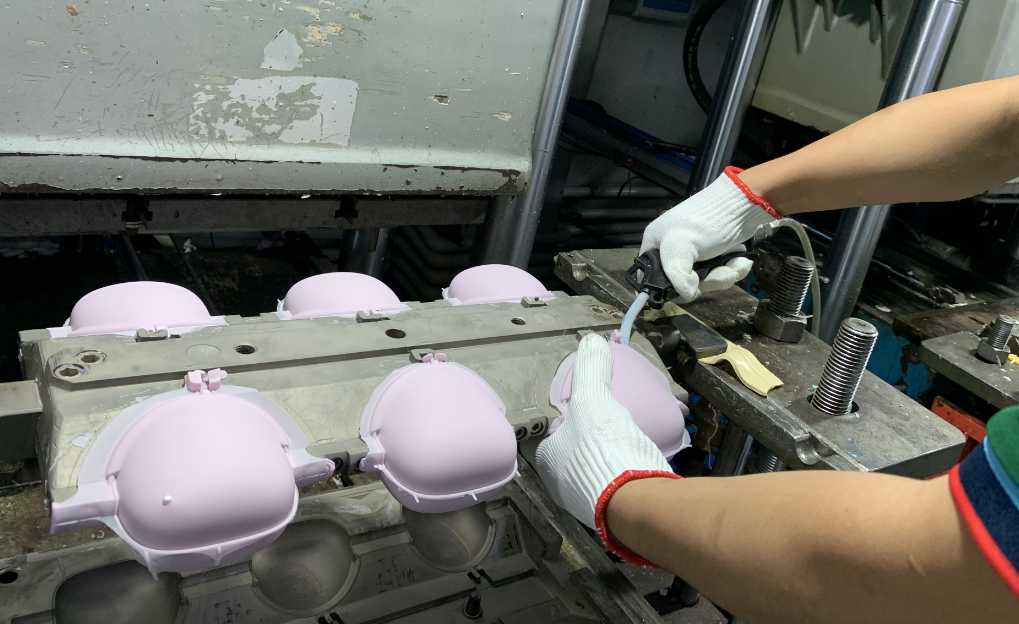
Substrates
Metal, Plastic, Silicone, Electronics
Available Mold Types
Copper, steel (tool steel, carbon steel), and aluminum molds. Production grades range from Class S50C (prototype) to Class P20 (high production). Single, multi-cavity, and family molds with side actions including hand-loaded. Tighter tolerances can be requested but may increase tooling cost due to additional sampling. Z.S.R mills to a steel-safe condition on critical features.
Overmolding vs Insert Molding: Which One Do You Need?
The two terms overlap, and many projects use both. The difference is where the substrate comes from and how the bond is created.
| Insert Molding | Overmolding | |
|---|---|---|
| What happens | A pre-formed insert (metal pin, plastic part, filter, circuit) is placed into the mold cavity and silicone is molded around it | Silicone is molded onto, under or through a substrate to add a functional second material layer |
| Bond type | Mechanical lock + chemical bond around the insert | Chemical bond, mechanical interlock, or both — multi-shot processes bond seamlessly |
| Substrate source | Usually supplied or pre-molded components | Can be supplied parts, in-house molded parts, or the same machine’s first shot |
| Typical volumes | Prototype 10–50 pcs; production 3,000+ | From prototypes to high-volume multi-shot production |
| Best for | Metal-to-silicone assemblies, threaded inserts, sensor housings | Soft-touch grips, medical devices, sealed electronics, silicone-to-plastic parts |
Substrate Compatibility Guide
Silicone can be bonded to most engineering substrates. The preparation and bonding route differ by material.
| Substrate Family | Examples | Bonding Approach | Typical Over-Molded Parts |
|---|---|---|---|
| Engineering thermoplastics | PC, ABS, PA, PBT | Mechanical interlocks + primer-assisted bond; material-specific pretreatment | Sensor housings, device enclosures, grips |
| Metals | Steel, stainless, aluminum, brass | Strongest bond family; cleaned + primed inserts, mechanical anchors for safety-critical parts | Metal-bonded seals, valve components, tool handles |
| Silicone to silicone | HCR/HTV, LSR parts | Compatible cure systems; heat-bonded or co-cured | Multi-durometer parts, colored sub-components |
| Electronics & assemblies | PCBAs, connectors, cable assemblies | Low-pressure LSR overmolding protects components; controlled cure to avoid heat damage | Waterproof connectors, cable strain reliefs, sensor pods |
Not sure your substrate will bond? Send the material grade and a photo of the part — we recommend the bonding route and verify it with sample parts before any tooling commitment. Start with a rapid prototype to validate the bond on your real substrate.
Overmolding Applications: Where It Earns Its Keep
Two industries drive most of our overmolding work — and most overmolding searches.
Medical Silicone Overmolding
- Surgical instrument grips and ergonomic handles
- Syringe plungers and valve components
- Wearable health monitor housings and straps
- Catheter hubs and soft patient-contact zones
- Sealing components in diagnostic equipment
Medical-grade (USP Class VI / ISO 10993) LSR compounds, bonded to thermoplastics and metals, with full material documentation — see medical grade materials.
Electronics Silicone Overmolding
- Waterproof connectors and cable assemblies
- Enclosure gaskets bonded directly into housings
- Strain reliefs and flex protection
- Keypads, buttons and soft-touch interfaces
- Sensor pods and probe housings
Low-pressure LSR injection overmolds delicate assemblies without damage, adding IP-rated sealing and drop protection in one step.
Design Guidelines for a Strong Silicone Bond
Four design decisions make the difference between a bond that passes testing and one that peels in the field.
| Design Factor | Recommendation | Why It Matters |
|---|---|---|
| Mechanical interlock | Add undercuts, through-holes or anchors at the bond interface | Even the best chemical bond benefits from a physical anchor; required for safety-critical parts |
| Surface preparation | Specify cleaning + primer process per substrate; avoid mold-release contaminated inserts | Bond failure is usually a surface chemistry problem, not a material problem |
| Draft & wall thickness | 1–2° draft; 1–3 mm walls; uniform thickness around the insert | Prevents voids, uneven cure and flash on tight-tolerance inserts |
| Tolerance stack | ±0.05 mm on critical insert locations; steel-safe tool design | Lets the tool be corrected after first-article bond testing without re-machining |
Send your drawing for a free DFM review — our tooling engineers flag bond-risk features before the mold is cut. See how mold design & making works at ZSR.