Liquid Silicone Rubber
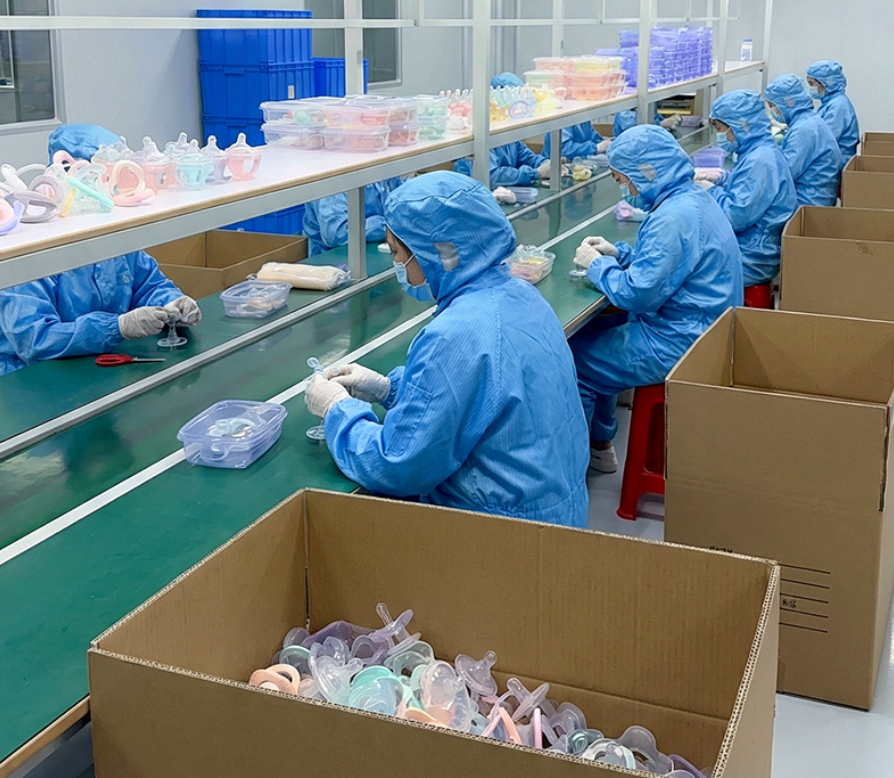
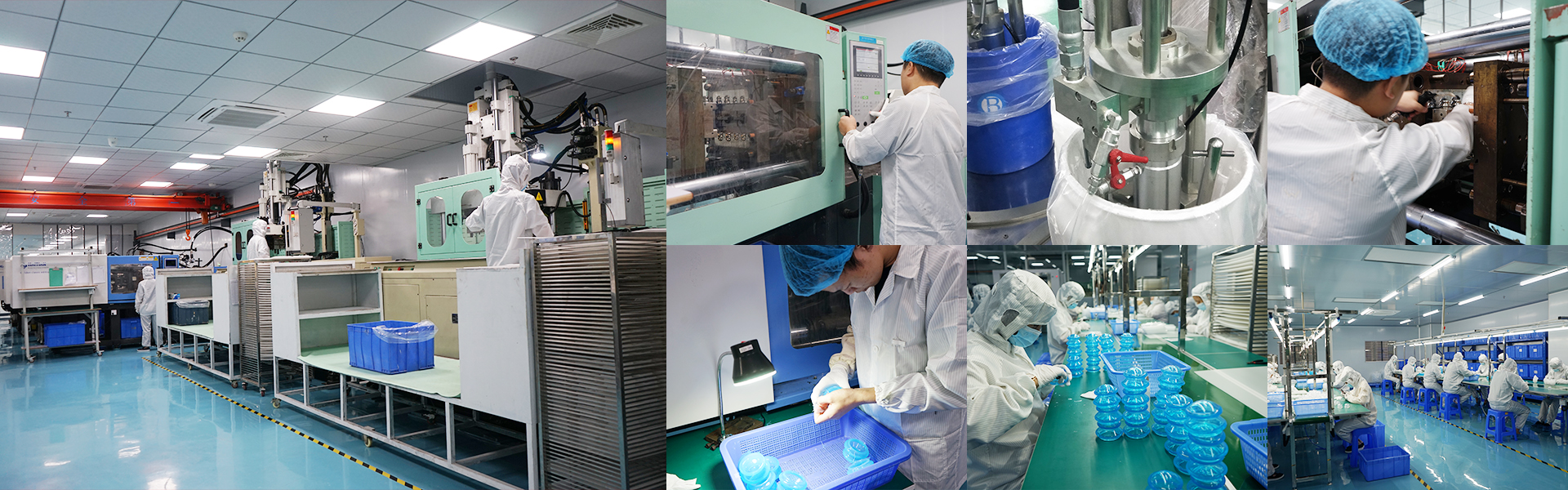
Z.S.R group use Liquid Silicone Rubber to make the injection silicone parts and components by their 12 sets liquid injection molding processes requiring speed, precision, and design freedom. The parts are widely used in medical devices, baby products, automobiles, electrical appliances, T&D cables, construction, consumer goods, food industry, and healthcare.
5 – 80 Shore A Hardness Range
-60°C to +250°CTemp Range
LSR Injection Processing
Material Overview
What is Liquid Silicone Rubber?
Liquid silicone rubbers are two-part dispensable silicone materials that are readily mixed and rapidly heat-cured into durable elastomers which can be injection molded on fully automated machines without the need for secondary processing.
They are generally platinum-curing and vulcanize under heat and pressure. As a rule, the A component contains the platinum catalyst while the B component consists of the crosslinker. LSR supports rapid molding and curing cycles while maintaining excellent mechanical properties and dimensional consistency—even intricate or thin-walled part designs. They are ideal for high-volume manufacturing and so help to keep unit costs down.
Two-Part System (A + B)
LSR is supplied in two separate containers as a kit. The A component contains the platinum catalyst while the B component consists of the crosslinker. The two compounds are mixed in a 1:1 ratio via a static mixer, with pigment and additives added during mixing. This creates a very homogeneous material resulting in consistent products both throughout each part and from part to part.
Precision & High-Speed Production
LSR injection molding enables high production capacity with precision up to ±0.01mm and zero-burr finishes. It is ideal for producing small and complex elastomeric parts at high speed and optimum productivity, increasing production efficiency by up to 15 times compared to traditional processes. LSR supports rapid molding and curing cycles while maintaining excellent mechanical properties and dimensional consistency.
Material Properties
Characteristics of Liquid Silicone Rubber
High Precision & Automation
Liquid silicone rubber injection molding enables high production capacity, high precision (±0.01mm), and zero-burr finishes. Great for Automotive or Medical devices for which small and complex elastomeric parts need to be produced at high speed and optimum productivity, increasing production efficiency by 15 times compared to traditional processes.
Chemically Inert & Aging-Resistant
Highly biocompatible, can be used for parts that come into contact with humans. Sterilizable, non-toxic formula, and resistant to oxidation, ozone, and UV rays. It is very durable and ensures long-term stability and chemical resistance.
Excellent Physical Properties
This silicone has smooth surfaces and minor shrinkage. You get the perfect dimensions of molded or extruded components. High Flexibility and Durability, aging resistance, UV resistance, and chemical corrosion resistance, platinum-cured silicone maintains flexibility with time. It does not harden easily and remains elastic following repeated use and sterilization processes. Same mechanical performance for batches.
Electrical Insulation
Stable at extreme temperatures, suitable for insulation in electronic devices. LSR provides outstanding dielectric properties and electrical stability across a broad temperature and frequency range.
Excellent Color & Package Consistency
Platinum cured silicone is biocompatible. You may safely use it in both long-term medical and skin-contact applications. Some are certified ‘skin safe’ and can be applied directly to human skin. They are also used for making prosthetic and orthotic devices, skin safe appliances and effects, etc.
Food & Medical Grade Compliance
LSR meets stringent FDA, LFGB, USP Class VI, and ISO 10993 standards. It is the material of choice for baby care products, medical devices, and food-contact applications where safety is paramount.
Material Overview
Customization Options
LSR silicone to your exact specifications — from color and hardness to special formulations and certifications.
Color Matching
Pantone color matching available. Up to 6 colors per product for multi-color designs.
Hardness Range
From 10 to 90 Shore A. Standard grades: 20, 30, 40, 50, 60, 70, 80 Shore A.
Size Range
Part sizes from 1 mm to 650 mm. Single, multi-cavity, and family molds available.
Surface Finish
Smooth, textured, matte, glossy, or custom surface finishes to meet your aesthetic and functional needs.
Certifications
FDA, BfR, UL, RoHS, ISO 10993 (medical), and custom compliance certifications upon request.
Special Formulations
Flame-retardant, oil-resistant (fluorosilicone), high-temp, low-temp, conductive, and anti-static grades.
What kind of LSR Z.S.R used?
Products for our clients are made of different grades of liquid silicone rubber according to the application requirements. Each grade is carefully selected to meet the specific performance, regulatory, and quality standards of its intended use.
LSR Grades by Application
6 Specialized Grades | Full Regulatory Compliance
Products for our clients are made of different grades of liquid silicone rubber according to the application requirements.
Food-Grade LSR
Baby nipples, baking molds, kitchenware — safe, high-transparency, FDA compliant (21 CFR 177.2600). Ideal for products requiring direct food contact with superior clarity and no odor or taste transfer.
Medical-Grade LSR
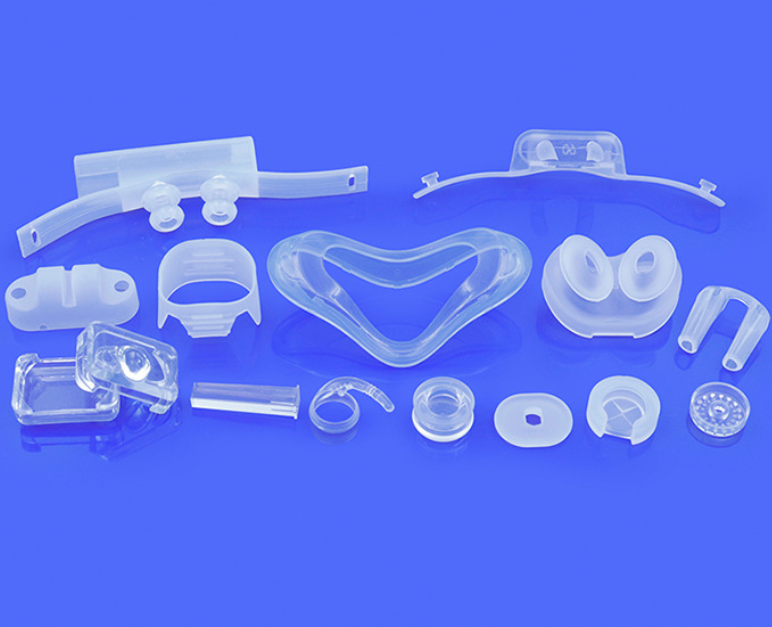
Catheters, seals, prosthetic devices — excellent biocompatibility meeting USP Class VI and ISO 10993 standards. Suitable for long-term human contact, implantable devices, and sterilizable components.
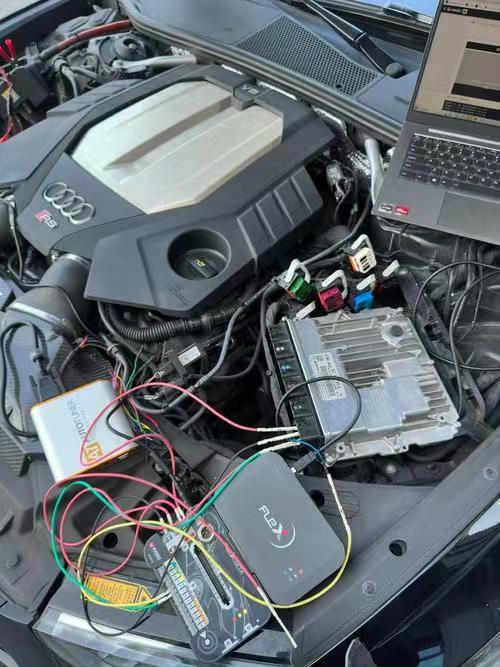
Automotive-Grade LSR
High-temperature gaskets, connectors, vibration dampers — engineered to withstand extreme under-hood temperatures, chemical exposure to oils and fuels, and prolonged UV and ozone exposure.
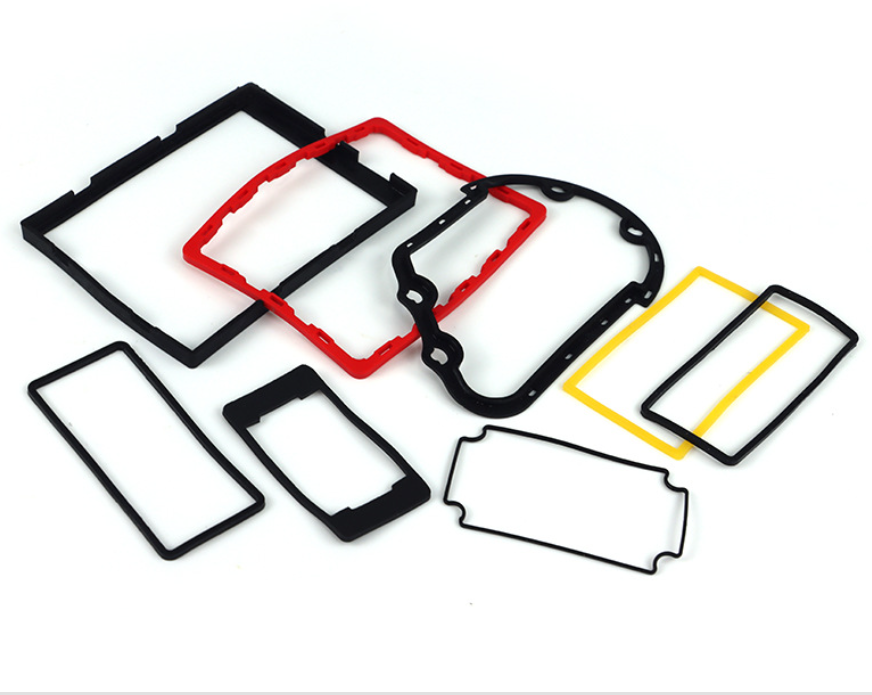
Electronics-Grade LSR
Keypads, waterproof seals, sensor encapsulation — provides outstanding electrical insulation, thermal stability, and environmental protection for sensitive electronic components.
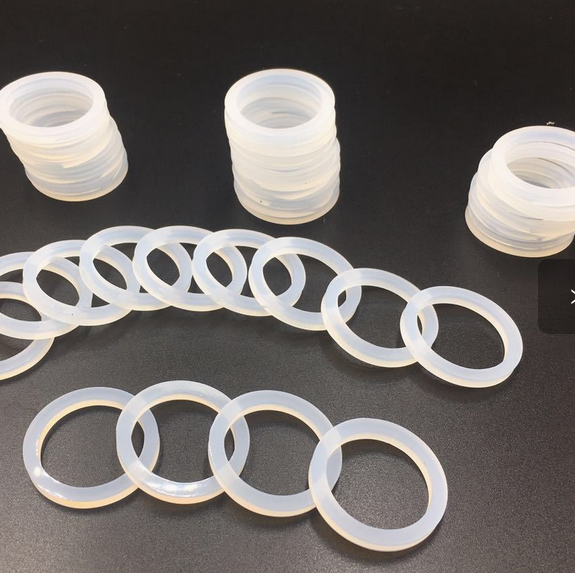
Industrial Mold-Making LSR
Precision molds, prototypes, replicas — offers excellent replication of fine details, long library life, and low shrinkage for accurate mold fabrication and rapid prototyping.
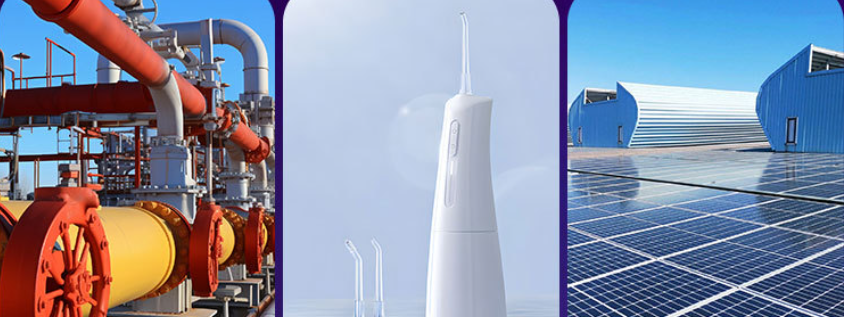
Specialty High-Temperature LSR
Suitable for aerospace and industrial sealing applications — formulated to withstand extreme thermal cycling, aggressive chemicals, and demanding mechanical stress in critical applications.
Please refer to LSR Injection Molding Service for more information.
Key Advantages of LSR
Platinum Cured | Zero Byproducts | High Precision
All LSR grades use platinum addition-curing system for highest purity.
The Molding Process of Liquid Silicone Rubber
Liquid silicone rubbers are supplied in barrels in two separate containers (kit) identified as “A” and “B” compounds. The two components must be mixed in a 1:1 ratio via a static mixer, with pigment and additives added before curing begins. This contrasts with solid silicone rubber materials purchased pre-mixed and partially vulcanized. We call this process LSR molding.
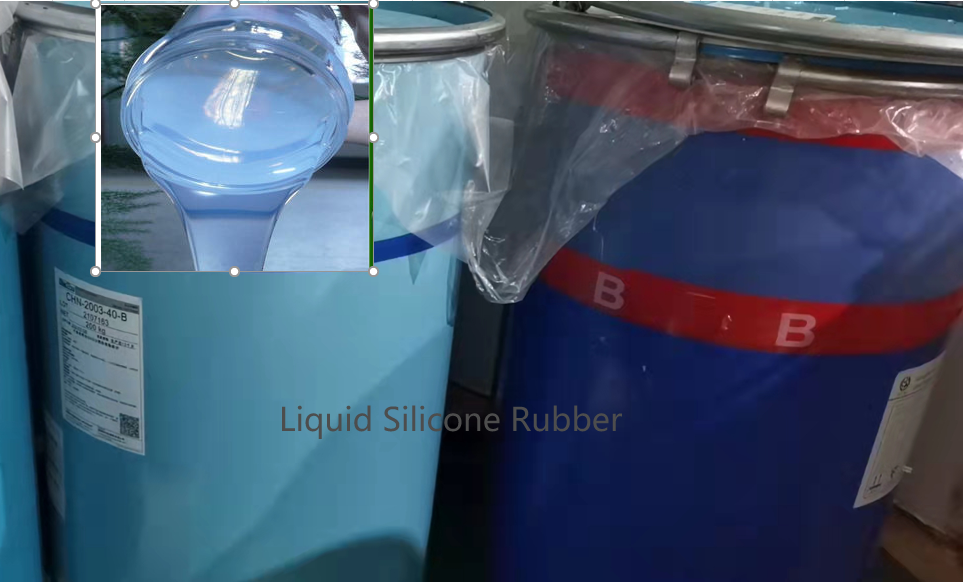
Material Preparation
Two liquid silicone components — a base and a catalyst — are pumped from separate containers and precisely mixed in a 1:1 ratio via a static mixer. Pigment and other additives are added during the mixing process before curing begins.
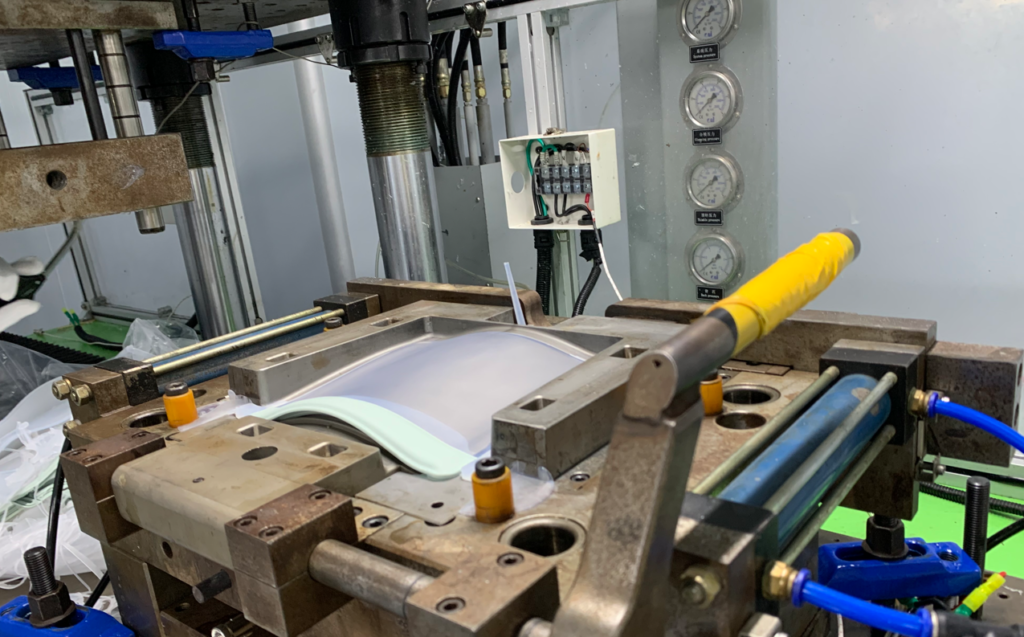
Mold Injection
The blended LSR material is injected into a heated mold cavity under pressure until it is completely filled. The static mixer ensures a very homogeneous material that results in products consistent throughout the part and from part to part.
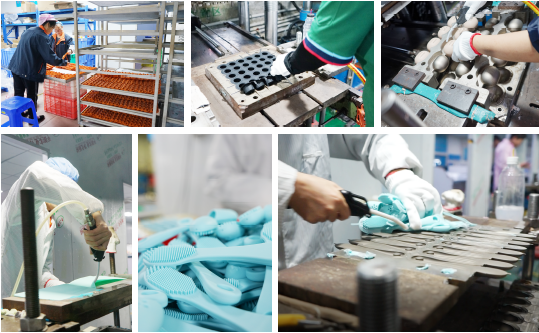
Part Curing
Heat from the mold initiates a chemical reaction that solidifies, or cures, the liquid material into a stable rubber part. Platinum catalyst enables rapid curing at elevated temperatures without producing harmful byproducts.
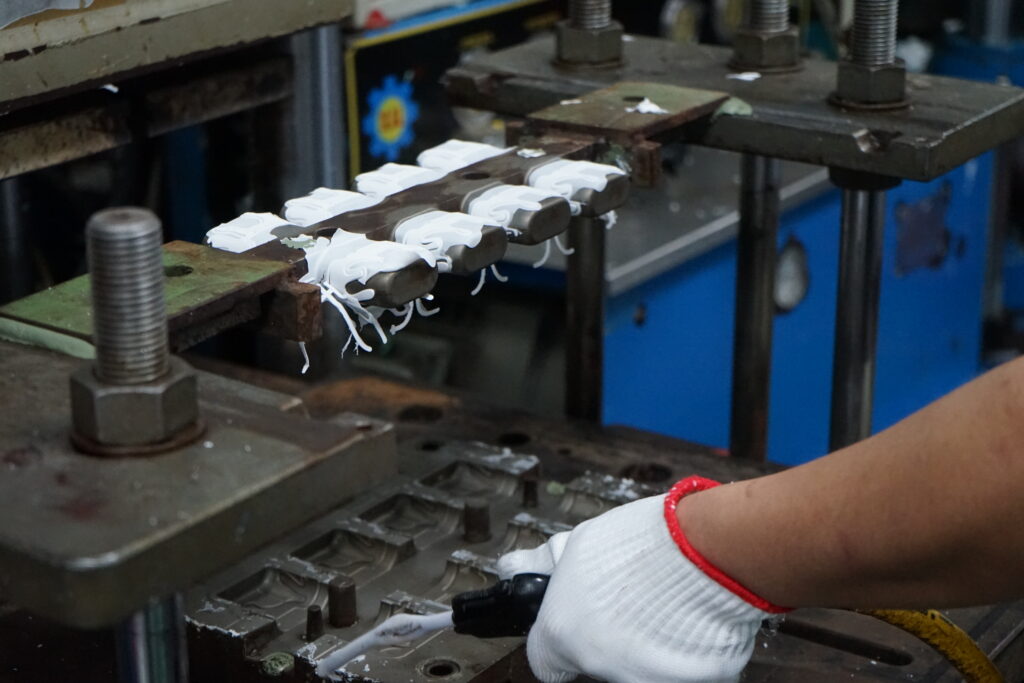
Ejection & Post-Processing
Once the curing cycle is complete, the mold opens and the finished silicone component is removed automatically. The part may undergo secondary operations such as trimming excess material, inspection, and packaging.
Comparison
LSR Injection Molding vs. Compression Molding
| Property | LSR Injection | Compression (HCR) | Advantage |
|---|---|---|---|
| Processing Speed | ✅ Very Fast (seconds) | Slower (minutes) | LSR |
| Automation Level | ✅ Fully Automated | Semi-Automated | LSR |
| Precision Tolerance | ⚙️ ±0.01mm | ⚙️ ±0.05mm | LSR |
| Burr/Flash | ✅ Zero-Burr Possible | More Flash | LSR |
| Complex Geometry | ✅ Excellent | Moderate | LSR |
| Thin-Walled Parts | ✅ Excellent | Limited | LSR |
| Material Waste | ✅ Minimal | Higher | LSR |
| Curing Byproducts | ✅ None | Possible (peroxide) | LSR |
| Volume Production | ✅ Ideal for High Volume | Lower Volume | LSR |
| Tooling Cost | Higher | Lower | HCR |
| Thick-Walled Parts | Limited | Excellent | HCR |
| Production Volume Min | 3,000+ units | 10+ units | HCR |
Speed Advantage
LSR injection molding increases production efficiency by up to 15× compared to compression molding, with cycle times measured in seconds.
Precision Advantage
Tolerances as tight as ±0.01mm with zero-burr finishes and excellent part-to-part consistency via automated processing.
Purity Advantage
Platinum-cured LSR produces no byproducts, no odor, and meets the highest food and medical grade standards.
Data
Technical Specifications
Material Properties (LSR)
| Property | Value |
|---|---|
| Material Type | Two-part liquid silicone rubber (A+B) |
| Hardness Range | Shore A 5 – 80 |
| Temperature Range | -60°C to +250°C |
| Precision Tolerance | ±0.01mm |
| Curing System | Platinum (Addition) |
| Mixing Ratio | 1:1 (A:B) |
| Byproducts | None |
| Odor | None |
| Biocompatibility | USP Class VI, ISO 10993 |
| Food Certifications | FDA 21 CFR 177.2600, LFGB, BfR |
| Environmental | REACH, RoHS Compliant |
| Color Options | Transparent, custom colors up to 6 per product |
Processing Parameters (LSR)
| Processing Parameter | Value |
|---|---|
| Processing Method | LSR Liquid Injection Molding |
| Molding Machines | 12 sets LSR injection machines |
| Part Size Range | 1 mm – 650 mm |
| Automation Level | Fully automated |
| Mold Cavity Tolerance | ±0.05 mm |
| Shrinkage | Lowest (platinum cured) |
| Part-to-Part Repeatability | 2 – 20 mm |
| Production Efficiency | 15× vs traditional processes |
| Cycle Time | Seconds (rapid curing) |
| Minimum Order Volume | 3,000+ units |
| Press Tonnage | 50 – 300 tons |
| Special Grades | Food, Medical, Automotive, Electronics, Industrial, High-Temp |