Platinum Cured Silicone Rubber
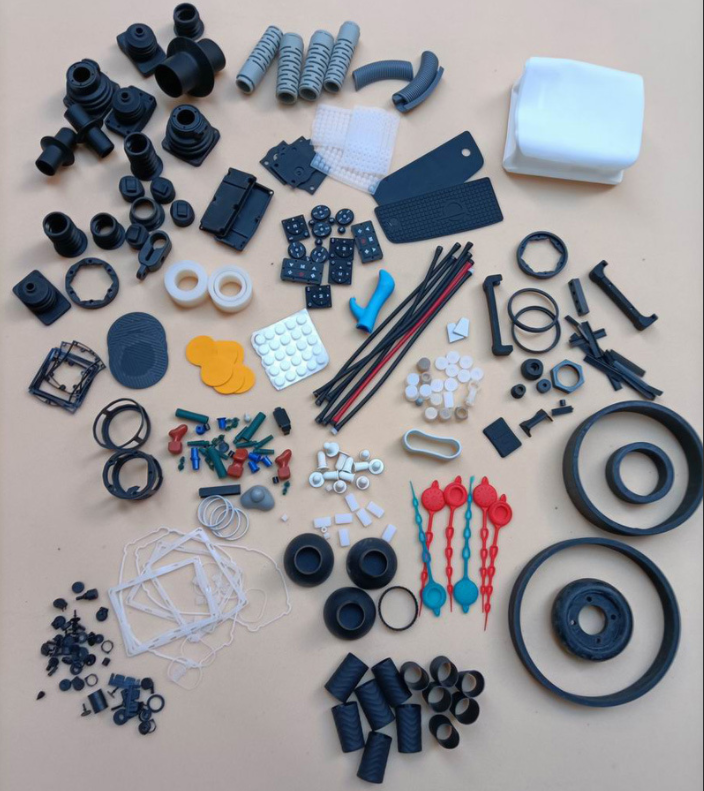
Z.S.R group use the Platinum-cured silicone to make the silicone parts and components through our silicone compression & LSR injection molding. The parts are widely used in Medical and Healthcare, Food and Beverage, Pharmaceuticals and industrial applications.
5 – 80 Shore A Hardness Range
-60°C to +250°CTemp Range
Compression/Transfer Processing
Material Overview
What is Platinum Cured Silicone?
Platinum-cured silicones use platinum-based catalysts to initiate crosslinking, a chemical process that joins two or more molecules together. Because a silicone hydride is added across a double bond, platinum-cured silicones are also known as addition-cured.
Also known as silicone rubber materials that undergo cross-linking reactions using a platinum-cured/addition curing system, platinum exhibit the lowest long-term shrinkage and have the longest library life of all mold rubbers (with a price tag to match).
It undergoes a platinum-based curing process that removes harmful by products, making it safer, more flexible, and more precise. While good for making molds for casting a variety of materials, platinum also have application and physical properties that other rubbers do not.
Material Properties
Characteristics of Platinum Cured Silicone
Silicone rubber is the material of choice when maintaining performance under extreme conditions is required.
High Purity and Low Extractables
Platinum cured silicone has very low extractables with does not emit odor or taste. You do not get undesirable residues that leach into products. This renders it applicable in sensitive settings and controlled applications for your product requires materials that are both environmentally friendly and safe, whether it is medical machinery, mother and baby products, beauty products, food, precision manufacturing, or high-end electronics, platinum-cured silicone can offer exceptional purity.
Excellent Thermal Stability
Platinum-cured silicone rubber has extreme temperature adaptability, capable of withstanding -60°C to +250°C (temporarily up to 300°C), and it can maintain flexibility even at a low-temperature brittle point below -110°C. Due to the high stability of platinum, no harmful chemicals are released during the heating process, so it can be used more safely.
Physical Properties
This silicone has smooth surfaces and minor shrinkage. You get the perfect dimensions of molded or extruded components. High Flexibility and Durability, aging resistance, UV resistance, and chemical corrosion resistance, platinum-cured silicone maintains flexibility with time. It does not harden easily and remains elastic following repeated use and sterilization processes. Same mechanical performance for batches.
Cost and Processing
Platinum curing is expensive compared to peroxide curing. You also require controlled conditions of processing. Nevertheless, you obtain high quality and compliance. Elongation, tear resistance, and tensile strength remain consistent with good processing.
Biocompatibility
Platinum cured silicone is biocompatible. You may safely use it in both long-term medical and skin-contact applications. Some are certified ‘skin safe’ and can be applied directly to human skin. They are also used for making prosthetic and orthotic devices, skin safe appliances and effects, etc.
Environmental Friendliness
Platinum-cured silicone can meet current green development needs and is your top choice for eco-friendly silicone materials. It contains no harmful plasticizers, heavy metals, or other compounds, leaves no peroxide residues, and only produces harmless silica and water vapor. Integrating your products with current development trends but also ensures your supply chain complies with increasingly strict environmental standards.
Material Overview
Customization Options
Tailor HTV silicone to your exact specifications — from color and hardness to special formulations and certifications.
Color Matching
Pantone color matching available. Up to 6 colors per product for multi-color designs.
Hardness Range
From 10 to 90 Shore A. Standard grades: 20, 30, 40, 50, 60, 70, 80 Shore A.
Size Range
Part sizes from 1 mm to 650 mm. Single, multi-cavity, and family molds available.
Surface Finish
Smooth, textured, matte, glossy, or custom surface finishes to meet your aesthetic and functional needs.
Certifications
FDA, BfR, UL, RoHS, ISO 10993 (medical), and custom compliance certifications upon request.
Special Formulations
Flame-retardant, oil-resistant (fluorosilicone), high-temp, low-temp, conductive, and anti-static grades.
What kind of Platinum Cured Silicone Z.S.R used?
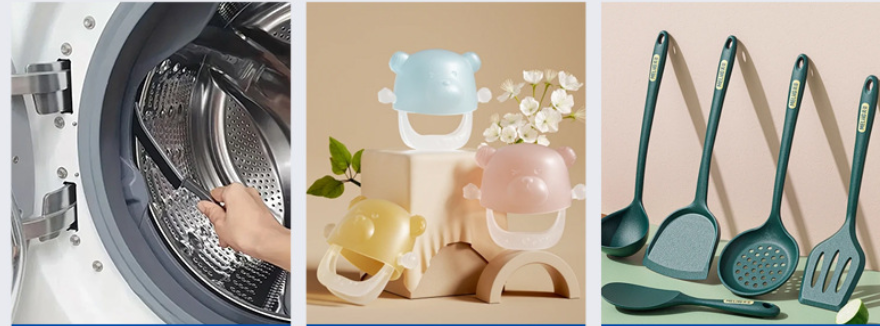
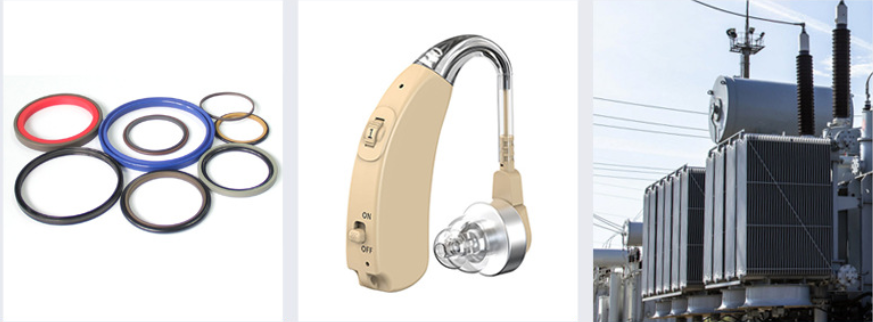
Products for our clients are made of 2 types of platinum-cured silicone rubber. Platinum-cured silicone is a high-purity, high-performance, and high-safety silicone system, primarily used in food-grade applications such as silicone bibs, pacifiers, teats, and feeding sets; medical-grade applications such as tubes, respiratory parts, and seals; and high-end consumer electronics applications such as wearables, keypads, and waterproof seals.
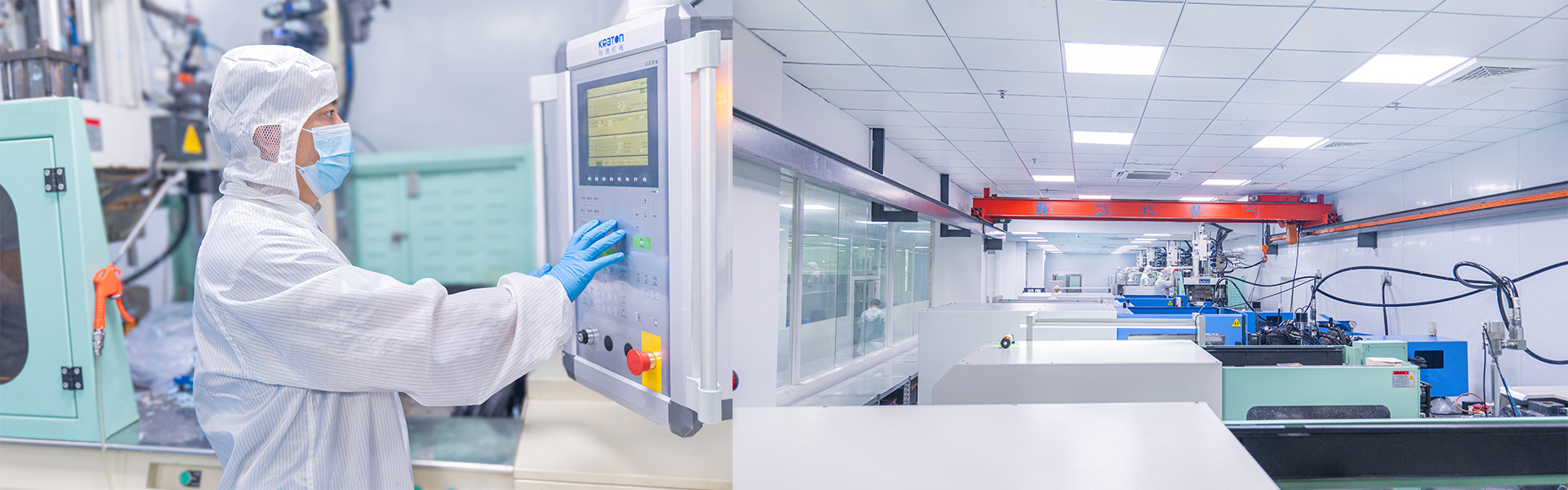
1. Liquid Platinum-Cured Silicone Rubber
Shore A 5~80 | Fastest Growing Type
This is currently the fastest-growing type, with a hardness range of Shore A 5~80. Primarily uses Injection Molding technology, offering cost advantages through refined products and large-scale mass production.
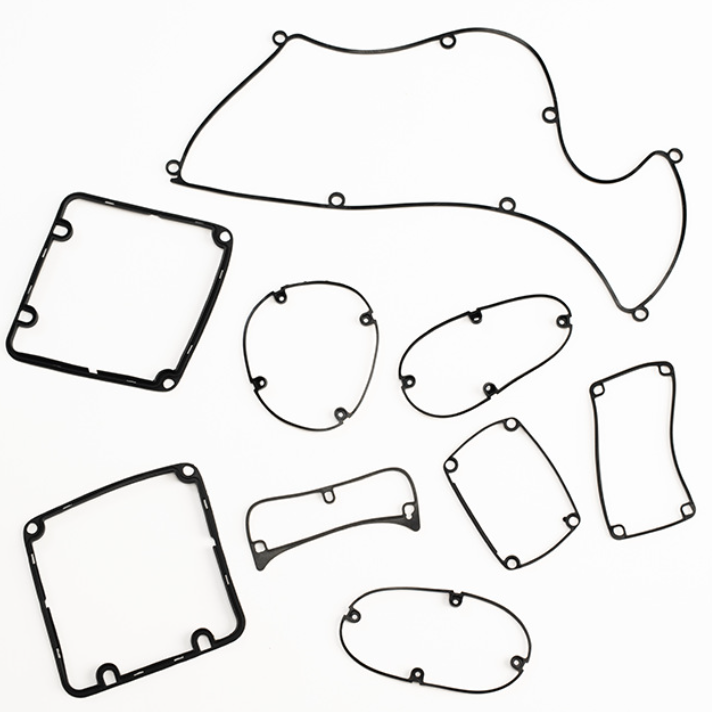
Medical Grade Platinum Liquid Silicone Rubber
Primarily used in the medical field, including catheters, respiratory masks, surgical components, medical tubing, and prosthetics. They are USP Class VI, ISO 10993, biocompatible, suitable for long-term human contact, low volatile matter, and ultra-high purity.
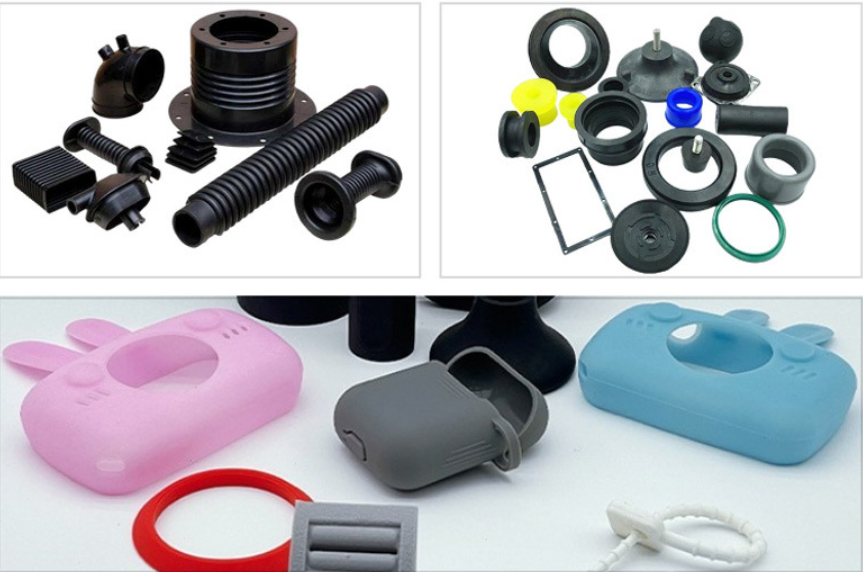
Food Grade Platinum Silicone
Made products that pass FDA approval. 21 CFR 177.2600, LFGB (German food grade), BfR, REACH, RoHS tested. Mainly used in Baking Molds, Ice Cube Trays, Kitchen Utensils, Baby Feeding Products, Coffee Machine Seals, etc.
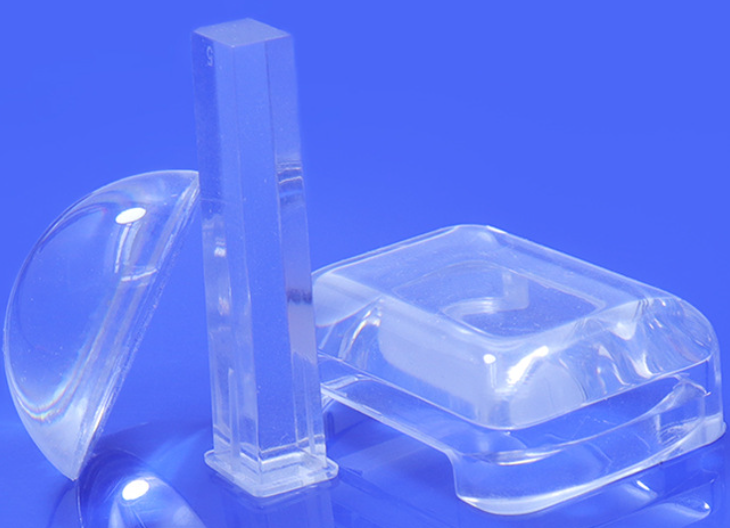
Optical / Transparent Platinum Silicone
Mainly used in LED Lenses, Optical Parts, Smart Wearables, and Beauty Devices, for products requiring high transparency, low yellowing, high light transmittance, and UV resistance.
Please refer to Liquid Silicone Rubber or Injection Molding Service for more information
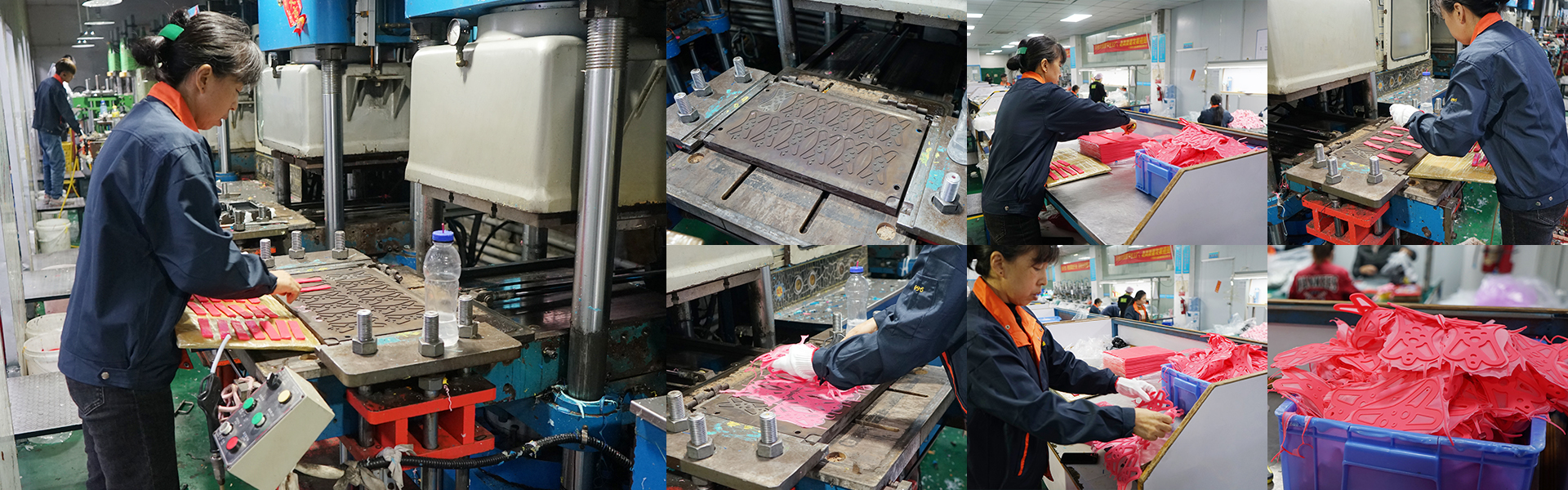
Shore A 10~80 | Most Widely Used
This is currently the most widely used type of product, with a hardness range of Shore A 10~80. Solid platinum cured solid silicone rubber can also be categorized according to grade and requirements, such as medical, food-grade, and high-transparency types.
Please refer to Solid Silicone Rubber / HTV / HCR or Compression Molding Service for more information
The Molding Process of Platinum-Cured Silicone
The platinum silicone rubber comes in solid and liquid forms, its molding methods are also quite diverse. Generally, solid platinum silicone rubber is molded using compression molding, extrusion, or transfer molding.
Z.S.R group can provide these three different types of silicone molding services for our clients based on the product’s properties. Liquid silicone rubber is molded using liquid injection molding. Z.S.R group’s 12 sets of molding machines can provide liquid platinum silicone rubber molding services according to product size to support your LSR parts projects successfully.
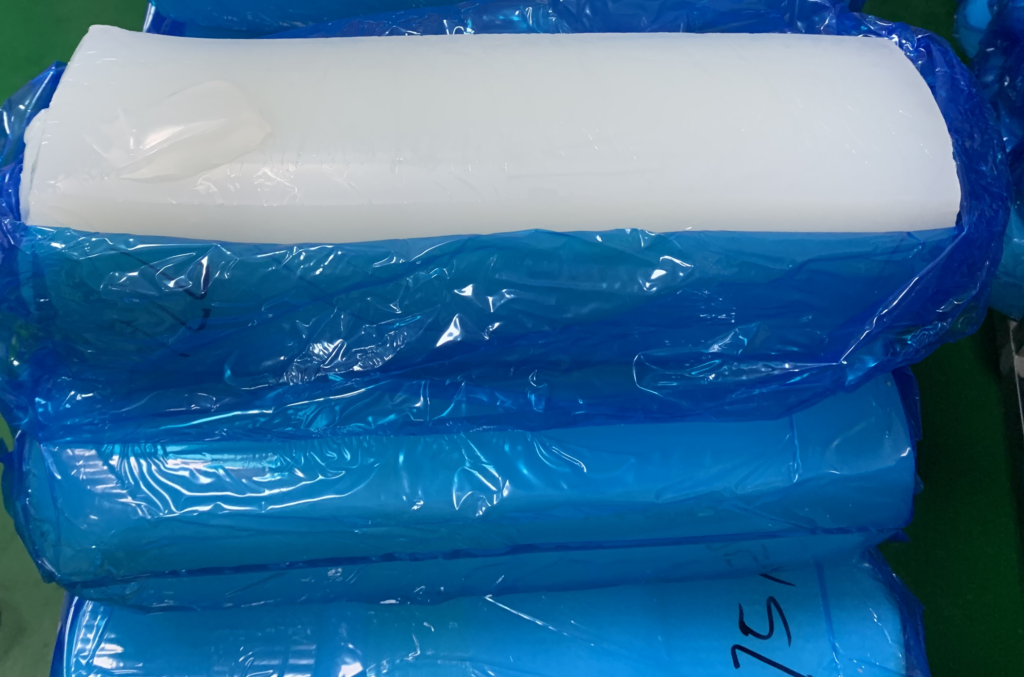
1. Raw Material Preparation
Prepare the raw materials for solid Platinum Cured Silicone, including the main silicone components and vulcanizing agents.
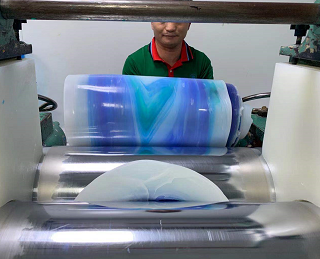
2. Mixing
The raw materials typically undergo a mixing process to ensure uniform blending of various components, ensuring the evenness of subsequent vulcanization reactions.
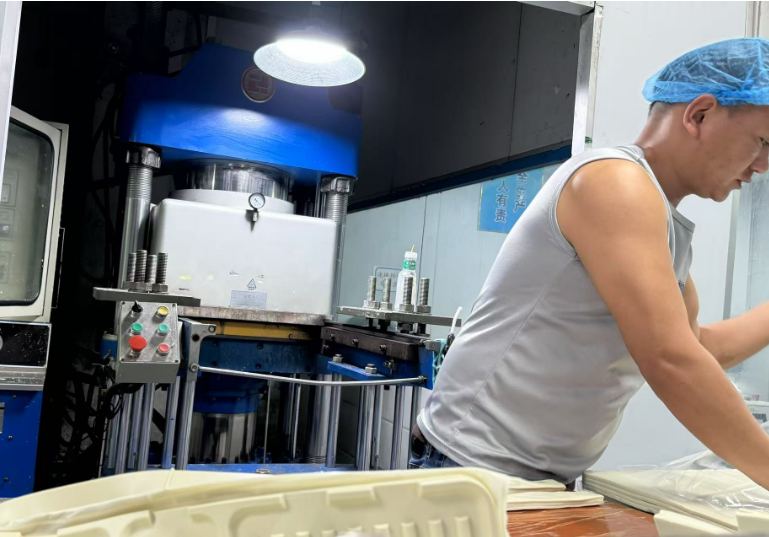
3. Molding
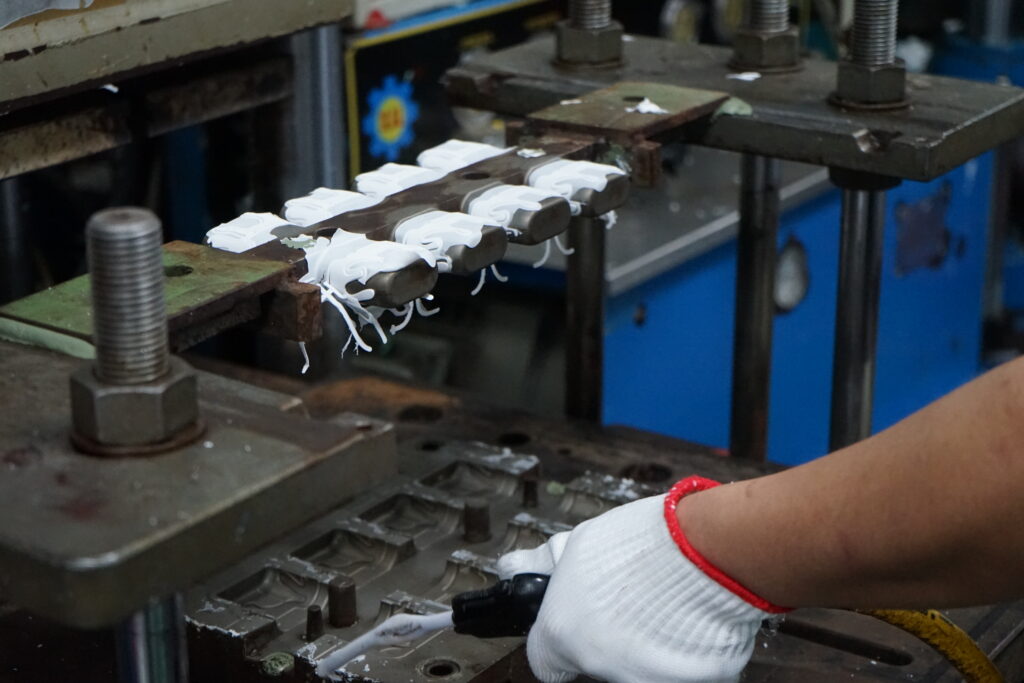
The well-mixed solid Platinum Cured Silicone is transferred to molding equipment, where it is shaped according to the product’s form and size. This can be achieved through processes such as calendaring, injection molding, compression molding, etc.
4. Vulcanization
The molded product undergoes vulcanization. This involves placing the Platinum Cured Silicone in a high-temperature environment, triggering the action of the vulcanizing agent. This reaction forms cross-linked structures between silicone molecules, enhancing elasticity and heat resistance.
5. Cooling and Post-processing
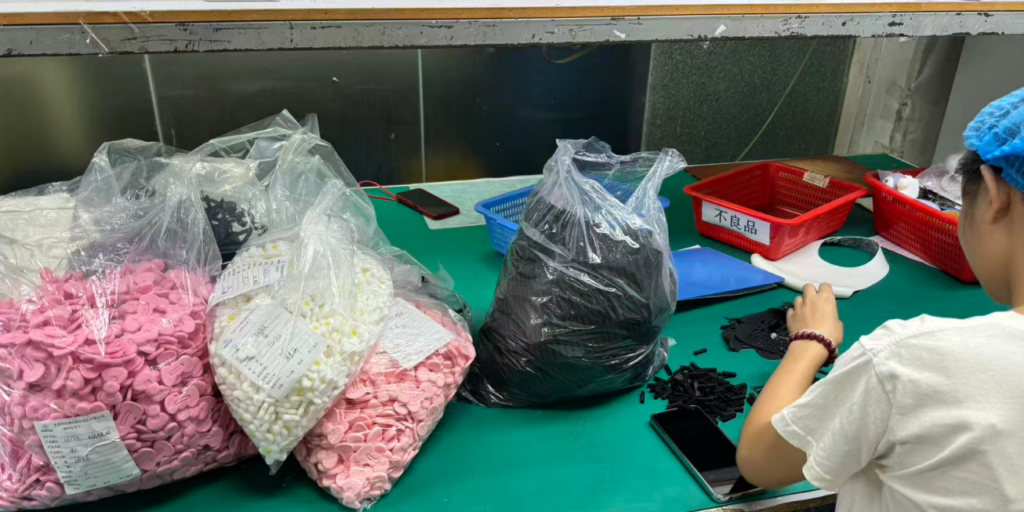
After the vulcanization reaction, the product needs to cool to solidify. Subsequently, various post-processing steps may be required, such as trimming, cutting, surface treatments, etc., to meet the final product’s specifications.
The specific implementation of these steps may vary based on production processes and product requirements.
Comparison
Platinum Cured vs. Peroxide Cured Silicone
Property | Platinum Cured | Peroxide Cured | Advantage |
|---|---|---|---|
Curing Byproducts | None | Acetone/byproducts | Platinum |
Odor | None | Yes | Platinum |
Shrinkage | Lowest | Higher | Platinum |
Library Life | Longest | Shorter | Platinum |
Temperature Range | -60°C to +250°C | -60°C to +250°C | Comparable |
Mechanical Strength | Good | Good | Comparable |
Biocompatibility | Excellent / Medical Grade | Good | Platinum |
Food Safety | FDA / LFGB Certified | Limited grades | Platinum |
Environmental | Harmless byproducts | VOC emissions | Platinum |
Cost | Higher | Lower | Peroxide |
Thermal Advantage
Platinum curing operates reliably at extreme temperatures with no harmful byproducts released.
Purity Advantage
No peroxide residue, no odor, lowest extractables — ideal for food and medical.
Safety Advantage
Biocompatible, skin-safe, and environmentally friendly with only harmless byproducts.
Data
Technical Specifications
Material Properties (Platinum Cured LSR)
| Property | Value |
|---|---|
| Hardness Range | Shore A 5 – 80 |
| Temperature Range | -60°C to +250°C (temporarily 300°C) |
| Low-Temp Brittleness | Below -110°C |
| Curing System | Platinum (Addition) |
| Byproducts | None |
| Odor | None |
| Biocompatibility | USP Class VI, ISO 10993 |
| Food Certifications | FDA 21 CFR 177.2600, LFGB, BfR |
| Environmental | REACH, RoHS Compliant |
Processing Parameters (Platinum Cured LSR)
| Processing Parameters | Details |
|---|---|
| Processing Methods | Compression, LSR Injection, Extrusion, Transfer |
| Part Size Range | 1 mm – 650 mm |
| Mold Cavity Tolerance | ±0.05 mm |
| Shrinkage | Lowest (platinum cured) |
| Part-to-Part Repeatability | 2 – 20 mm |
| Maximum Colors | Up to 6 colors |
| Press Tonnage | 50 – 300 tons |
| Production Volume (Compression) | Up to 50,000 units cost advantage |
| Production Volume (LSR) | 3,000+ units |
| Special Grades | Medical, Food, Optical, Flame-Retardant |