HCR / HTV / Solid Silicone Rubber
Z.S.R group use the High Temperature Vulcanized (HTV) Silicone Rubber to make the silicone parts and components by our compression molding process. The parts are widely used in replace petrochemical products in all industries including aerospace, defense, automotive, fine chemicals, construction, electrical and electronics, food processing, mechanical engineering, medicine and pharmacy, cosmetics, household appliances and semiconductors. Recently, the range of silicone applications has been expanding at an ever-faster pace.
10 – 90 Shore A Hardness Range
-60°C to +250°CTemp Range
Compression/Transfer Processing
Material Overview
What is HCR / HTV / Solid Silicone Rubber?
High temperature vulcanized silicone rubber (HTV) is mainly made of raw rubber, adding reinforcing filler and vulcanizing agent, then vulcanized into various products under heating and pressure.
HTV is also called HCR (High Consistency Rubber) or Solid Silicone Rubber. It is a solid, high-consistency elastomer cured under heat, engineered for demanding industrial applications where thermal stability, mechanical strength, and long-term durability are critical.
Special types of silicones are selected depending on their intended use — whether they need to be resistant to fire, oil, or heat. Food contact silicones are approved by the U.S. FDA and the German BfR.
Peroxide Vulcanized
Combines the advantages of solid silicone rubber with excellent mechanical properties and high performance. Can be processed by extrusion, calendaring, pressing, transfer molding, or injection molding.
Platinum (Addition) Vulcanized
Clean curing with low shrinkage. Ideal for food contact and medical applications where purity and biocompatibility are essential. No peroxide residue.
Key Difference: Peroxide-cured HTV offers strong mechanical performance for general use. Platinum-cured HTV provides cleaner curing, lower shrinkage, and is preferred for food/medical applications.
Material Properties
Key Properties of HTV Silicone
Silicone rubber is the material of choice when maintaining performance under extreme conditions is required.
Thermal Stability
Maintains original shape and mechanical strength under high thermal stress or freezing temperatures. Performs from -60°C to +250°C.
Chemical Resistance
Highly inert — will not react with most chemicals. Biocompatible, hypoallergenic, and suitable for medical implants and baby care products.
Mechanical Properties
Excellent tensile strength, tear resistance, compression set, and cyclic bending performance — significantly better than organic rubbers at extreme temperatures.
Electrical Insulation
Outstanding dielectric strength at high voltage. Excellent insulating properties make it ideal for electrical and electronics applications.
Weather & UV Resistance
Withstands ozone, UV radiation, heat, and other aging factors. One of the elastomers of choice for extreme outdoor and industrial environments.
Fire Resistance
Special flame-retardant grades available. Self-extinguishing properties make it suitable for aerospace, automotive, and electrical safety applications.
Material Overview
Customization Options
Tailor HTV silicone to your exact specifications — from color and hardness to special formulations and certifications.
Color Matching
Pantone color matching available. Up to 6 colors per product for multi-color designs.
Hardness Range
From 10 to 90 Shore A. Standard grades: 20, 30, 40, 50, 60, 70, 80 Shore A.
Size Range
Part sizes from 1 mm to 650 mm. Single, multi-cavity, and family molds available.
Surface Finish
Smooth, textured, matte, glossy, or custom surface finishes to meet your aesthetic and functional needs.
Certifications
FDA, BfR, UL, RoHS, ISO 10993 (medical), and custom compliance certifications upon request.
Special Formulations
Flame-retardant, oil-resistant (fluorosilicone), high-temp, low-temp, conductive, and anti-static grades.
Types and Applications of HTV/ HCR/ Solid Silicone Rubber
Due to its flexibility in meeting various needs, solid silicone HTV has given rise to different types to cater to diverse industries and applications.
Here are some common types of solid silicone HTV: Choose peroxide-cured HTV for general use with strong mechanical performance.
Select platinum-cured HTV for clean curing, low shrinkage, and food or medical applications.
For high heat resistance, pick grades rated up to 250 °C or more. Use reinforced types for strength, or soft grades for flexibility.
Need oil or fuel resistance? Go with fluorosilicone (FVMQ). For low-temperature use, choose phenyl-modified (PMQ/PVMQ).
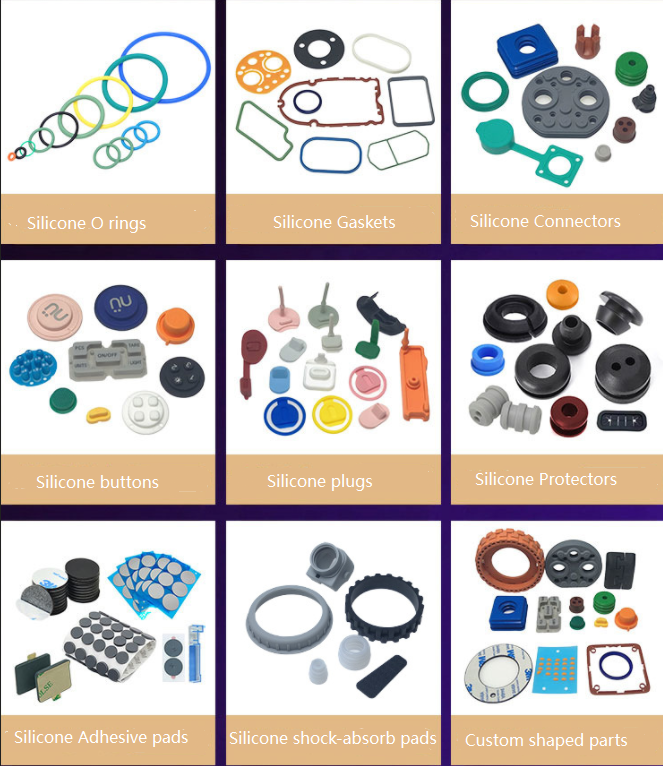
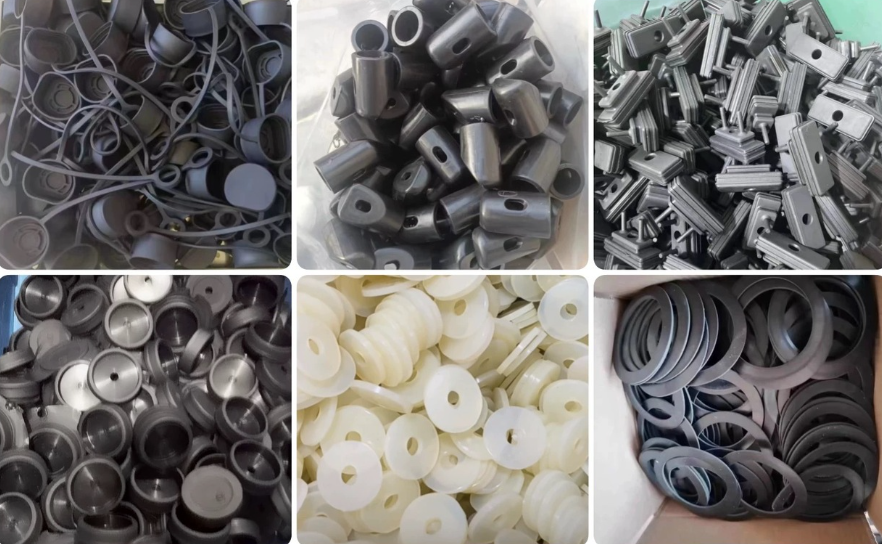
High-Elasticity HTV/ HCR/ Solid Silicone Rubber
Designed for applications requiring exceptional elasticity, such as the production of elastic pads and seals. High-elasticity HTV exhibits outstanding stretching and deformation capabilities.
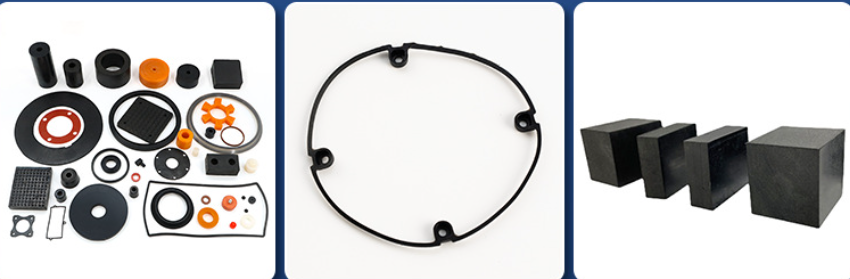
High-Hardness HTV/ HCR/ Solid Silicone Rubber
Suitable for applications demanding a harder surface, like manufacturing rubber pads and tire components. High-hardness HTV provides higher physical hardness and wear resistance.
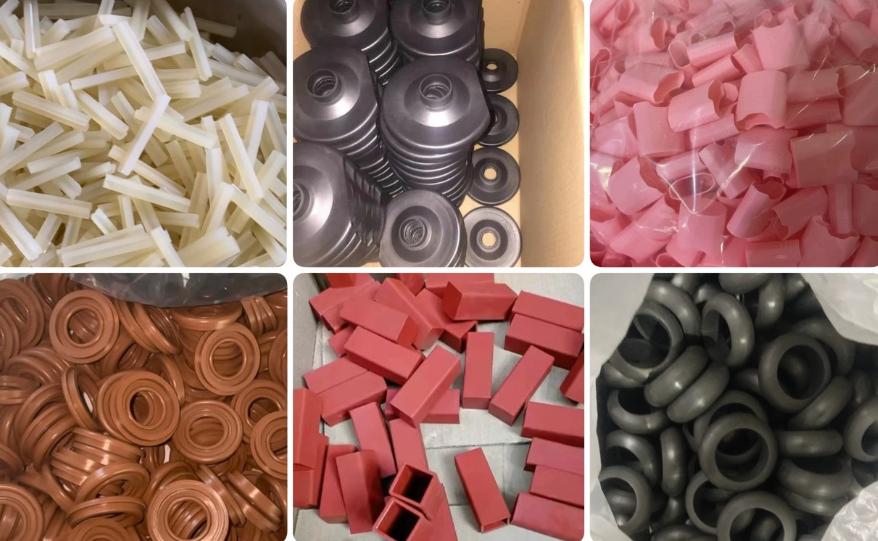
High-Transparency HTV/ HCR/ Solid Silicone Rubber
Used in industries requiring transparent or semi-transparent products, such as the production of seals and car light covers. High-transparency HTV ensures a visually appealing finished product.
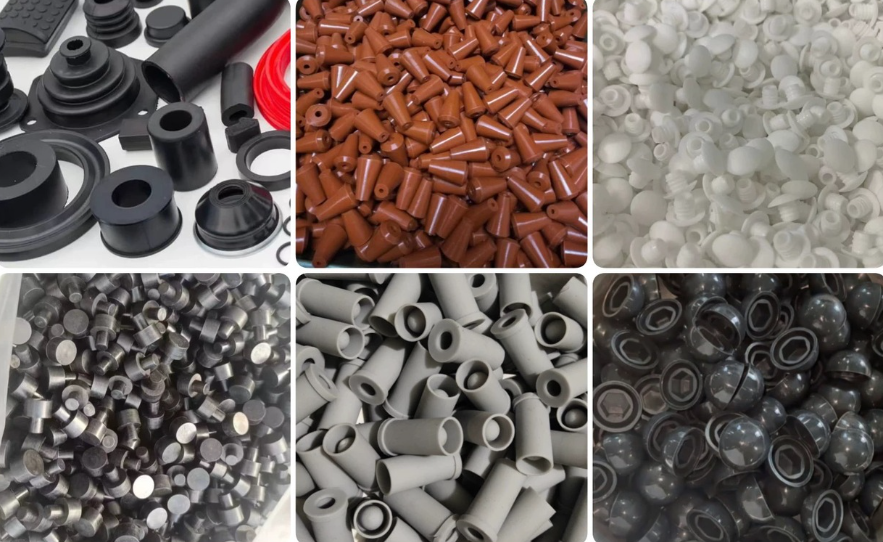
High-Temperature Resistant HTV/ HCR/ Solid Silicone Rubber
Facing extreme high-temperature environments, like sealing materials for automotive engine compartments and electronic components. High-temperature resistant HTV maintains stability and performance.
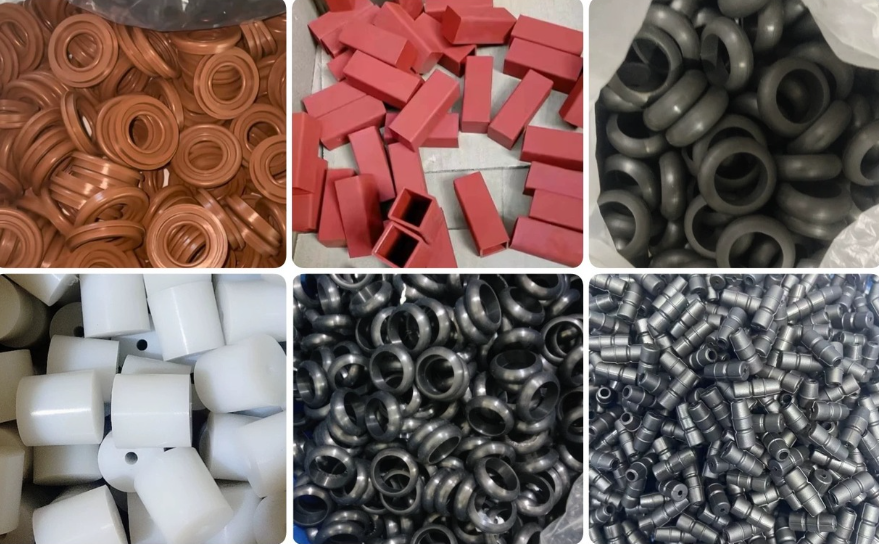
Low-Temperature Curing HTV/ HCR/ Solid Silicone Rubber
Used for applications requiring curing in low-temperature conditions, such as outdoor cable insulation materials and low-temperature seals.
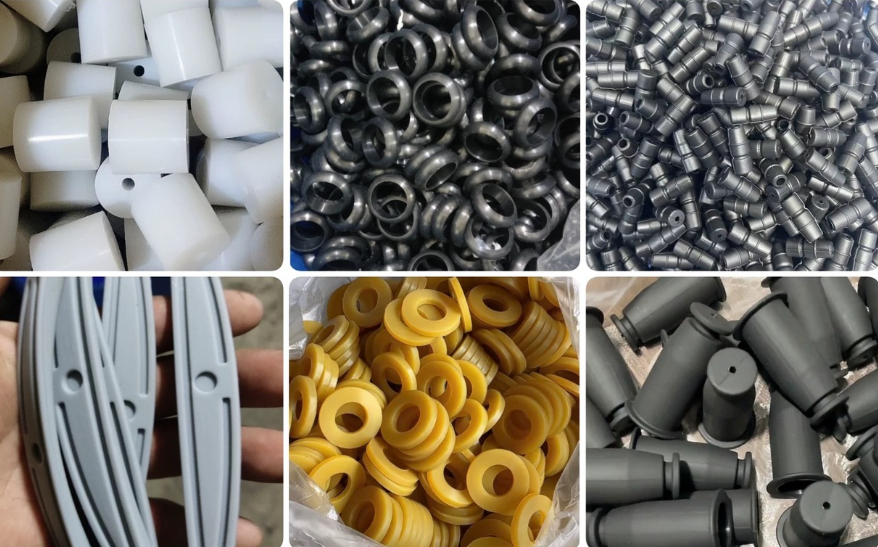
Food-Grade HTV/ HCR/ Solid Silicone Rubber
Applied in the food and medical industries, for example, in manufacturing food packaging and medical device sealing components. It complies with relevant regulatory standards for safety.
Low-Volatility HTV/ HCR/ Solid Silicone Rubber
Applicable to applications requiring low volatility, such as automotive interior materials and sealing for electronic components, ensuring products do not release harmful gases during prolonged use.
The Molding Process of HCR /HTV/ Solid Silicone Rubber
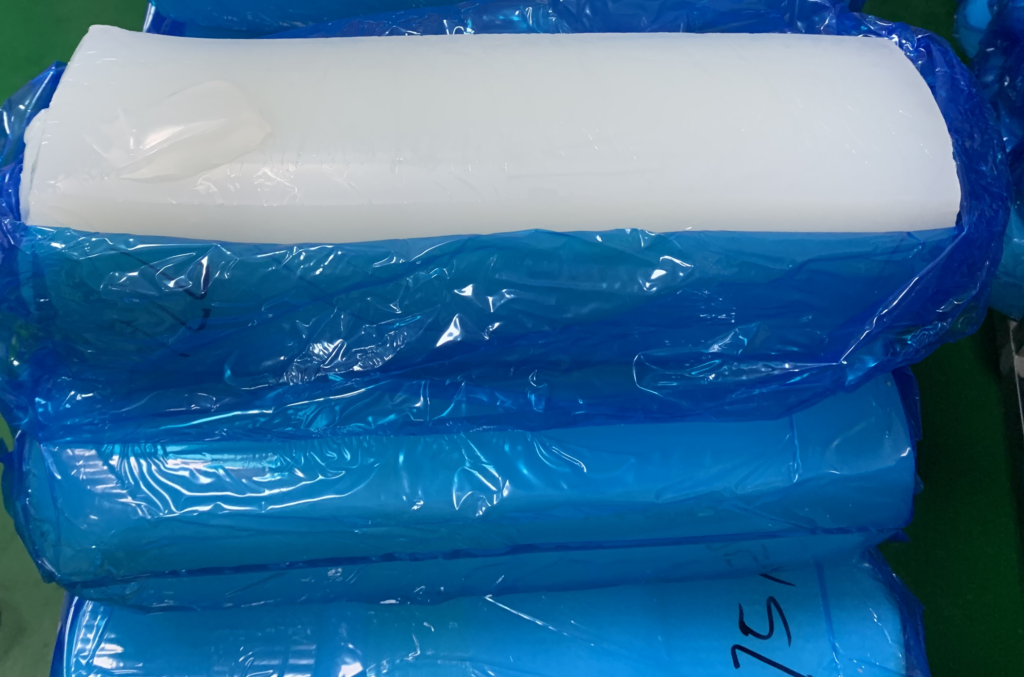
1. Raw Material Preparation
Prepare the raw materials for solid silicone HTV, including the main silicone components and vulcanizing agents.
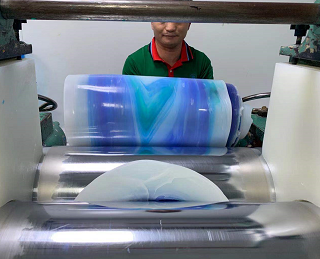
2. Mixing
The raw materials typically undergo a mixing process to ensure uniform blending of various components, ensuring the evenness of subsequent vulcanization reactions.
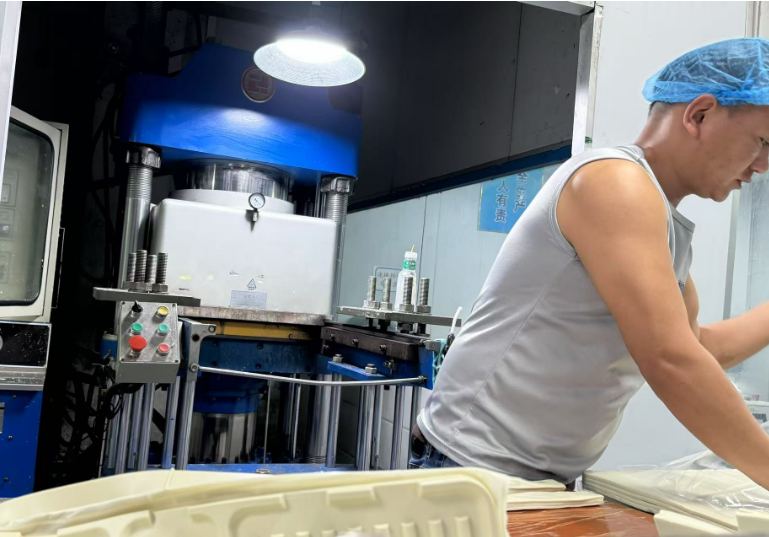
3. Molding
The well-mixed solid silicone HTV is transferred to molding equipment, where it is shaped according to the product’s form and size. This can be achieved through processes such as calendaring, injection molding, compression molding, etc.
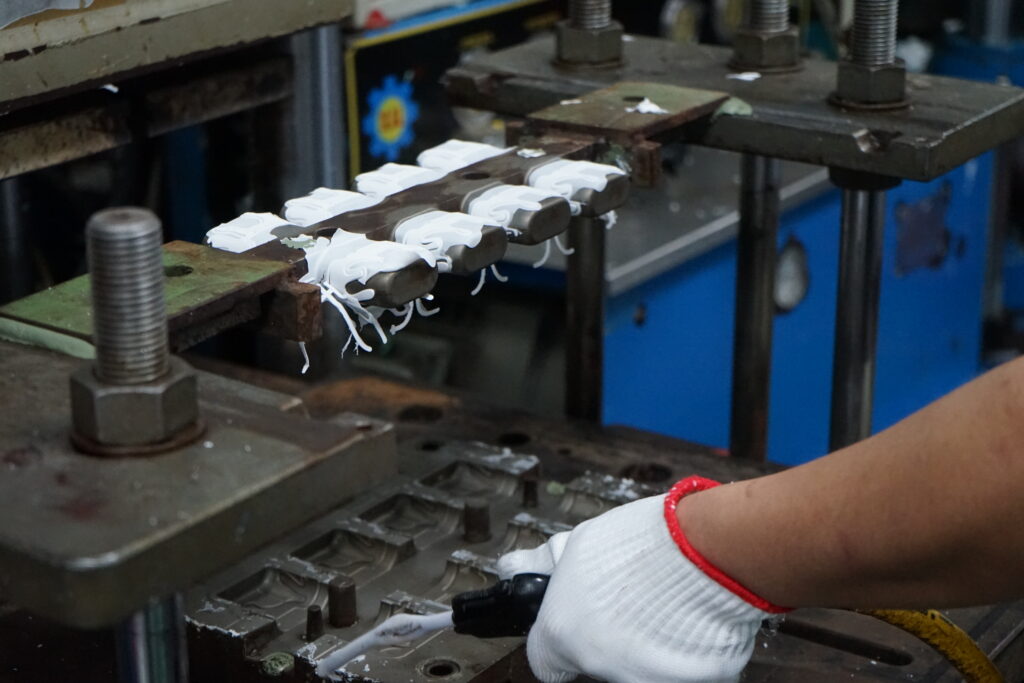
4. Vulcanization
The molded product undergoes vulcanization. This involves placing the solid silicone HTV in a high-temperature environment, triggering the action of the vulcanizing agent. This reaction forms cross-linked structures between silicone molecules, enhancing elasticity and heat resistance.
5. Cooling and Post-processing
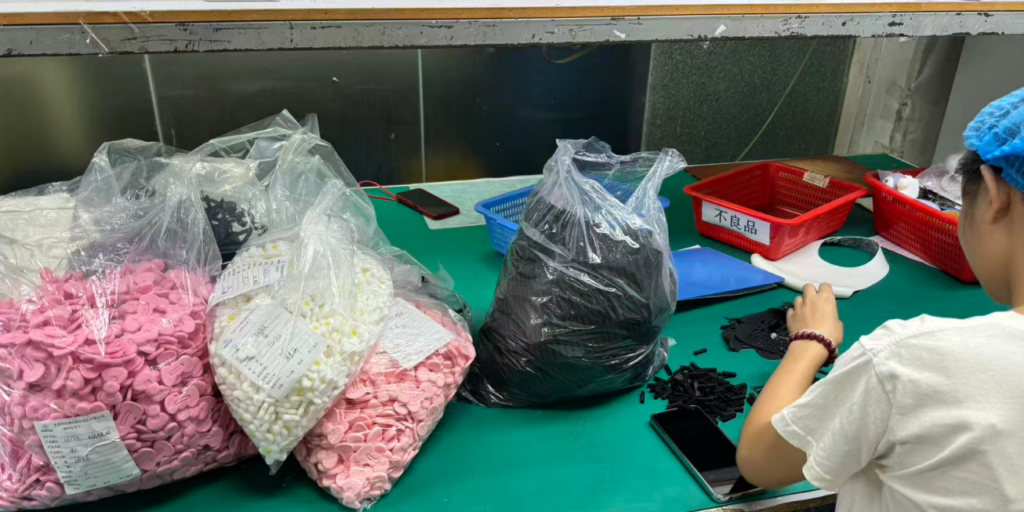
After the vulcanization reaction, the product needs to cool to solidify. Subsequently, various post-processing steps may be required, such as trimming, cutting, surface treatments, etc., to meet the final product’s specifications.
Comparison
HTV Silicone vs. Organic Rubbers
Property | HTV Silicone | Organic Rubbers | Advantage |
|---|---|---|---|
Temperature Range | -60°C to +250°C | -40°C to +120°C | |
UV / Ozone Resistance | Excellent | Poor | |
Chemical Inertness | Excellent | Moderate | |
Biocompatibility | FDA / Medical Grade | Limited | |
Electrical Insulation | Excellent | Good | |
Tensile Strength | Good | Good | Comparable |
Compression Set | Low | Moderate | |
Fire Resistance | Self-extinguishing | Poor | |
Service Life | 10+ years | 3-5 years |
Thermal Advantage
HTV operates reliably from -60°C to +250°C — far beyond the limits of organic rubbers.
Longer Service Life
UV, ozone, and weather resistance give HTV silicone 2-3x the lifespan of conventional rubbers.
Safer for People
FDA and medical-grade compliance make HTV the safe choice for food contact and medical devices.
Data
Technical Specifications
| Material Properties | Value |
|---|---|
| Hardness Range | 10 – 90 Shore A |
| Tensile Strength | 5.0 – 12.0 MPa |
| Elongation at Break | 100% – 800% |
| Tear Strength | 10 – 50 kN/m |
| Compression Set (22h/175°C) | 5% – 30% |
| Operating Temperature | -60°C to +250°C |
| Dielectric Strength | > 20 kV/mm |
| Volume Resistivity | > 1×10¹⁴ Ω·cm |
| Parameter | Value |
|---|---|
| Part Size Range | 1 mm – 650 mm |
| Mold Cavity Tolerance | ±0.05 mm (machining) |
| Shrink Rate Tolerance | ±0.128 mm |
| Part-to-Part Repeatability | 2 – 20 mm |
| Maximum Colors | Up to 6 colors |
| Press Tonnage | 50 – 300 tons |
| Prototype Tooling Volume | 10 – 50 pcs |
| Production Tooling Volume | 3,000+ pcs |
| Grade Type | Key Features | Best For |
|---|---|---|
| High-Elasticity HTV | Exceptional stretch and deformation capability | Elastic pads, seals |
| High-Hardness HTV | Higher physical hardness and wear resistance | Rubber pads, tire components |
| High-Transparency HTV | Transparent / semi-transparent finish | Seals, light covers |
| High-Temp Resistant HTV | Stable up to 250°C+ | Engine seals, electronics |
| Food-Grade HTV | FDA / BfR compliant, safe for contact | Food packaging, medical devices |
| Low-Volatility HTV | Minimal outgassing over time | Automotive interior, electronics |
| Fluorosilicon (FVMQ) | Fuel and oil resistant | Automotive fuel systems |
| Phenyl-Modified (PMQ) | Flexible at extremely low temperatures | Cryogenic applications |