Fluorosilicone (FVMQ)
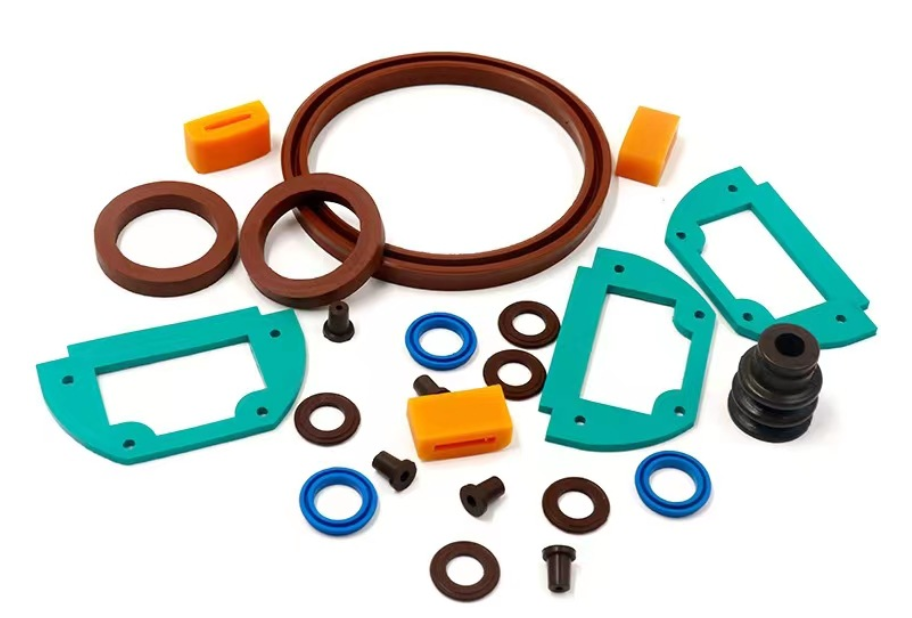
Z.S.R group use the Fluorosilicone (FVMQ) to make the silicone parts and components by our compression molding process. The parts are widely used in Automotive,Aerospace,Industrial Equipment,Military & Defense for Reliability, Extreme temperature difference environment, Long service life in Contact with fuel, Chemical environment.
5 – 80 Shore A Hardness Range
-60°C to +220°CTemp Range
Compression/LSR Injection
Material Overview
What is Fluorosilicone (FVMQ)?
Fluorosilicone is a high-performance elastomer with fluorinated groups introduced into the main chain of silicone rubber. Its full English name is Fluorosilicone Rubber, or Fluorovinyl Methyl Silicone Rubber, abbreviated as FVMQ. It is a high-end silicone material that combines oil resistance with a wide temperature range, making it one of the most important high-performance elastomers in modern sealing technology.
Fluorinated Molecular Structure
FVMQ introduces fluorinated groups into the main chain of silicone rubber, creating a unique molecular structure that delivers both the flexibility of silicone and the chemical resistance of fluorocarbon. This hybrid chemistry enables FVMQ to perform where ordinary VMQ silicone cannot meet the stringent requirements of aerospace, automotive fuel systems, and military applications.
Oil & Fuel Resistance
Unlike ordinary VMQ silicone, FVMQ exhibits excellent resistance to fuels, oils, and chemical media. It is the material of choice for seals, connectors, and sensor housings in fuel systems, providing customers with system-level sealing solutions that are resistant to fuel oil, extreme environments, and offer long-term reliability. It does not expand, soften, or crack when exposed to aggressive hydrocarbons.
Material Properties
Key Properties of Fluorosilicone (FVMQ)
Superior Chemical Properties
Excellent resistance to chemical corrosion and extremely strong oil resistance. FVMQ withstands exposure to fuels, oils, solvents, and aggressive chemical media that would degrade standard silicone. Also resistant to ozone and UV radiation with good aging resistance and long lifespan.
Superior Physical Properties
Not prone to expansion, softening, failure, or cracking when exposed to fuels and oils. Features low compression set, ensuring seals maintain their shape and performance over extended periods of use. Good mechanical strength for demanding applications.
Wide Temperature Range
Resistant to high and low temperatures from -60°C to +200°C. Special grades can achieve even higher temperature ratings up to 250°C or more, making FVMQ suitable for extreme thermal environments from arctic conditions to hot engine compartments.
Fuel & Oil Resistance
The defining advantage of FVMQ. The fluorinated side groups provide exceptional resistance to hydrocarbon fuels, petroleum-based oils, aromatic solvents, and synthetic hydraulic fluids. Ideal for automotive fuel systems, aerospace seals, and oil-exposed industrial components.
UV & Ozone Resistance
FVMQ exhibits excellent resistance to ultraviolet radiation and ozone attack, making it ideal for outdoor and aerospace applications where long-term exposure to sunlight and atmospheric conditions would cause ordinary rubber to crack and deteriorate.
Long Service Life
With superior aging resistance, FVMQ components deliver reliable performance over extended service periods. This durability translates to reduced maintenance, fewer replacements, and lower total cost of ownership in critical sealing and protection applications.
Material Overview
Customization Options
Fluorosilicone (FVMQ) to your exact specifications — from color and hardness to special formulations and certifications.
Color Matching
Pantone color matching available. Up to 6 colors per product for multi-color designs.
Hardness Range
From 10 to 90 Shore A. Standard grades: 20, 30, 40, 50, 60, 70, 80 Shore A.
Size Range
Part sizes from 1 mm to 650 mm. Single, multi-cavity, and family molds available.
Surface Finish
Smooth, textured, matte, glossy, or custom surface finishes to meet your aesthetic and functional needs.
Certifications
FDA, BfR, UL, RoHS, ISO 10993 (medical), and custom compliance certifications upon request.
Special Formulations
Flame-retardant, oil-resistant (fluorosilicone), high-temp, low-temp, conductive, and anti-static grades.
Types and Applications of Fluorosilicone (FVMQ)
Products for our clients are made of 2 types common types of FVMQ is mainly divided into the following categories.
FVMQ is considered one of the most important high-performance elastomers in modern sealing technology used in seals, connectors, sensor housings etc Z.S.R help Providing customers with system-level sealing solutions that are resistant to fuel oil, extreme environments, and offer long-term reliability.
Our products are mainly made of two types of Fluorosilicone Rubber, categorized as follows:
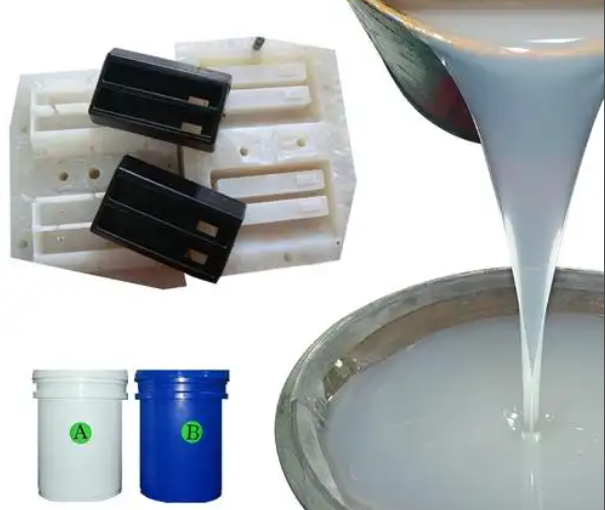
Liquid Injection Moldable Fluorosilicone
This is currently the fastest-growing type, with a hardness range of Shore A 5~80. Primarily uses Injection Molding technology, offering cost advantages through refined products and large-scale mass production.
Medical Grade Fluorosilicone
Primarily used in the medical field, including Fluid transfer tubing, Pharmaceutical seals, Medical pumps. They are USP Class VIISO 10993, biocompatible, suitable for long-term human contact, low volatile matter, and ultra-high purity.
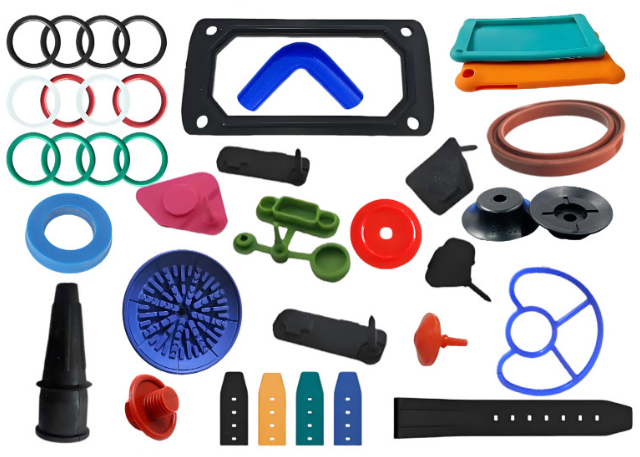
Optical / Transparent Fluorosilicone, mainly used in Medical,
Aerospace inspection systems, Fluid monitoring systems, for products requiring high transparency, low yellowing, high light transmittance, and UV resistance.
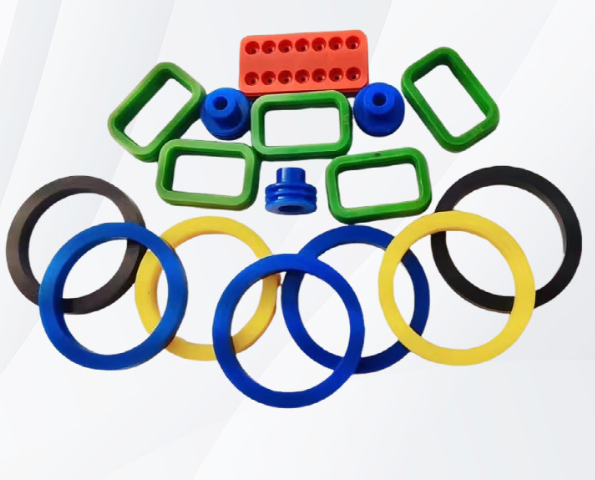
Platinum Cured Fluorosilicone
Mainly used in Medical, Aerospace, Electronics, High-end automotive as they are Ultra-low volatiles, cleaner curing system, better high-purity applications.
Primarily uses Injection Molding technology, offering cost advantages through refined products and large-scale mass production. Please refer to Liquid silicone rubber or Injection Molding Service for more information.
Solid Fluorosilicone Rubber (FVMQ HCR)
This is currently the most widely used type. Solid Fluorosilicone Rubber (FVMQ HCR) can be categorized into Fuel Resistant, Low Temperature, High Temperature, Aerospace Grade, Automotive Grade, Flame Retardant, and high-transparency types.
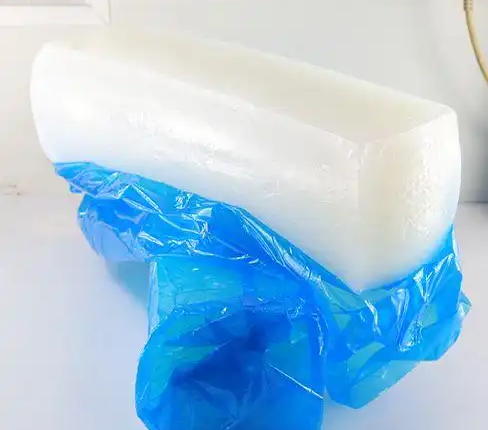
Please refer to Solid Silicone Rubber / HTV / HCR or Compression Molding Service for more information.
The Molding Process of Fluorosilicone (FVMQ)
Pressing is the basic production process in which silicone rubber is pressed between the die and the mold punch and then vulcanized with heat. Transferring is a method similar to processing liquid silicone by injection, using solid FVMQ HCR which is placed in a chamber where it liquefies as a result of compression and is transferred through the gating channel directly to the closed mold cavity.
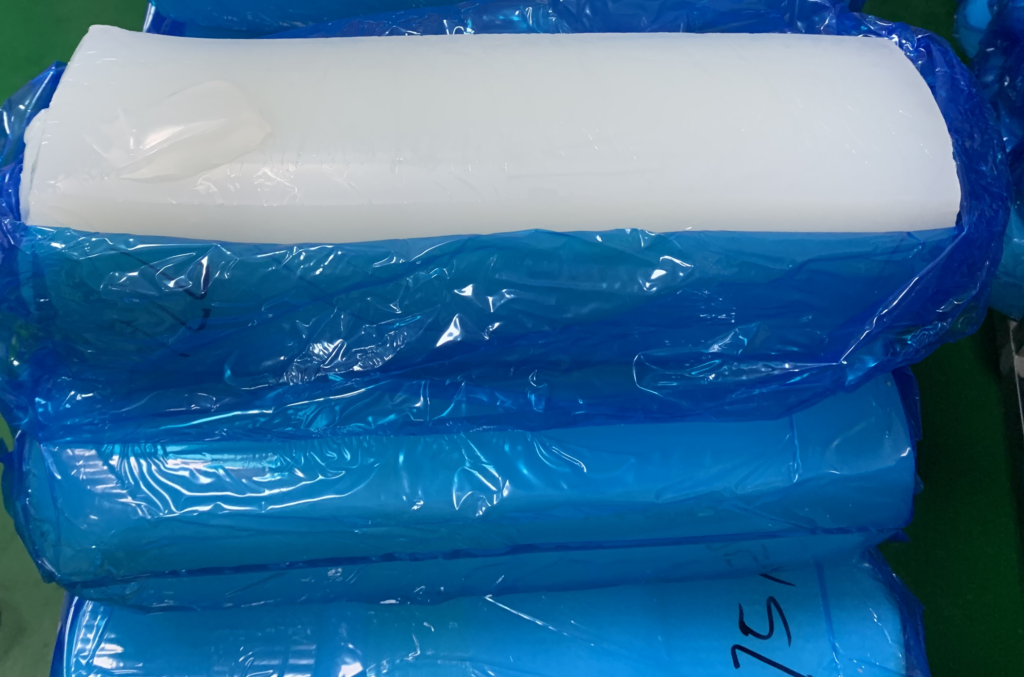
Raw Material Preparation
Prepare the raw materials for Solid Fluorosilicone Rubber (FVMQ HCR), including the main silicone components and vulcanizing agents.
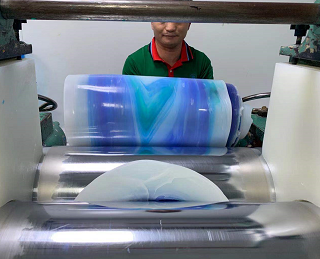
Mixing
The raw materials undergo mixing to ensure uniform blending of various components and even subsequent vulcanization reactions.
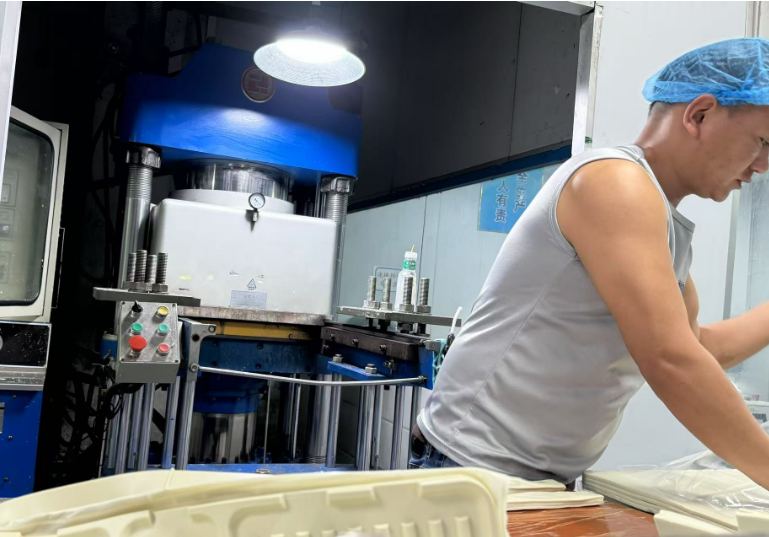
Molding
The well-mixed FVMQ HCR is transferred to molding equipment and shaped according to the product’s form and size. This can be achieved through calendaring, injection molding, compression molding, or transfer molding.
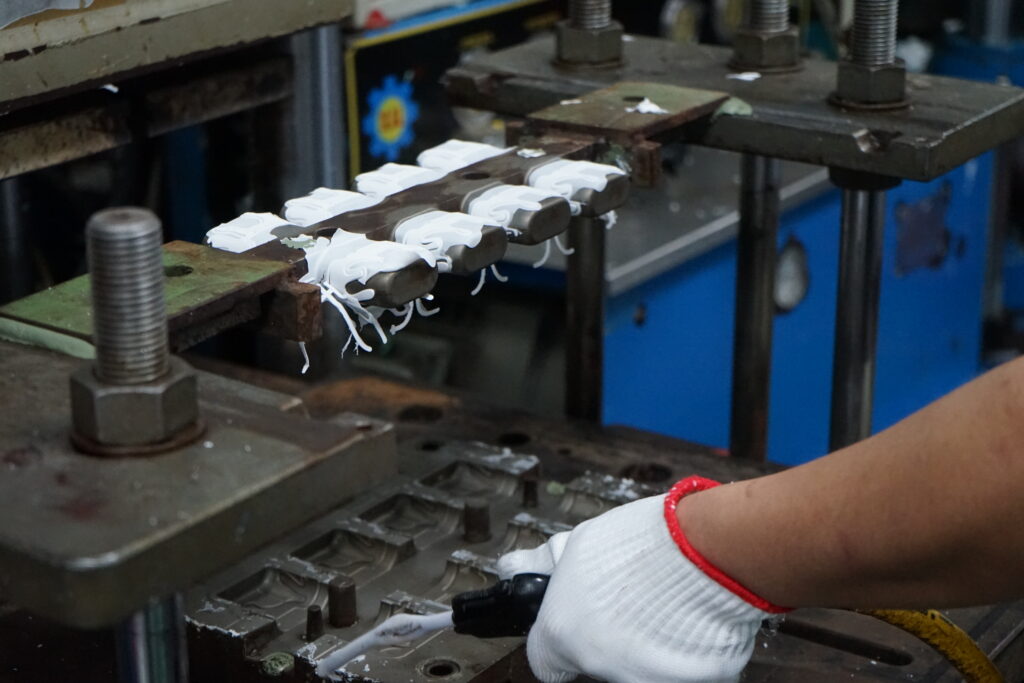
Vulcanization
The molded product undergoes vulcanization in a high-temperature environment. This reaction forms cross-linked structures between silicone molecules. After vulcanization, the product cools and may undergo trimming, cutting, and surface treatments.
Comparison
Fluorosilicone (FVMQ) vs. Standard Silicone (VMQ)
| Property | Fluorosilicone (FVMQ) | Standard Silicone (VMQ) | Advantage |
|---|---|---|---|
| Fuel / Oil Resistance | Excellent | Poor | FVMQ |
| Chemical Resistance | Excellent | Moderate | FVMQ |
| Temperature Range | -60°C to +200°C | -60°C to +250°C | Comparable |
| UV / Ozone Resistance | Excellent | Good | FVMQ |
| Compression Set | Low | Low | Comparable |
| Mechanical Strength | Good | Good | Comparable |
| Flexibility | Excellent | Excellent | Comparable |
| Transparency | Available | Available | Comparable |
| Biocompatibility | Medical grades available | Medical grades available | Comparable |
| Cost | Higher | Lower | VMQ |
Fuel Resistance
FVMQ resists fuels, oils, and hydrocarbon solvents that would cause standard silicone to swell and degrade.
Temperature Range
Maintains performance from -60°C to +200°C, with special grades rated up to 250°C or more.
Chemical Resistance
Superior resistance to chemicals, ozone, and UV radiation compared to standard VMQ silicone.
Data
Technical Specifications
| Material Type | Fluorosilicone Rubber (FVMQ) |
|---|---|
| Full Name | Fluorovinyl Methyl Silicone Rubber |
| Hardness Range | Shore A 5 – 80 (Liquid); Shore A 10 – 80 (Solid) |
| Temperature Range | -60°C to +200°C (special grades up to 250°C+) |
| Fuel Resistance | Excellent – resists fuels, oils, hydrocarbons |
| Chemical Resistance | Excellent – resistant to corrosion, solvents |
| UV / Ozone Resistance | Excellent |
| Compression Set | Low |
| Curing System | Platinum or Peroxide Cured |
| Biocompatibility | USP Class VI, ISO 10993 (medical grades) |
| Transparency | High-transparency grades available |
| Key Advantage | Oil & fuel resistance + wide temperature range |
| Liquid Processing | LSR Injection Molding |
|---|---|
| Solid Processing | Compression, Transfer, Calendaring Molding |
| Part Size Range | 1 mm – 650 mm |
| Mold Cavity Tolerance | ±0.05 mm |
| Production Volume (Compression) | Up to 50,000 units cost advantage |
| Production Volume (LSR) | 3,000+ units |
| Maximum Colors | Up to 6 colors |
| Press Tonnage | 50 – 300 tons |
| Solid Grade Types | Fuel Resistant, Low Temp, High Temp, Aerospace, Automotive, Flame Retardant |
| Liquid Grade Types | Medical, Optical/Transparent, Platinum Cured |
| Key Applications | Seals, O-rings, Gaskets, Connectors, Sensor Housings, Tubing |
| Industries Served | Automotive, Aerospace, Military, Industrial Equipment, Medical |