Silicone Over & Insert Molding
Z.S.R Group is your source for high-quality, custom silicone over-molded parts that transform your product drawing into vital components in today’s high-tech industrial devices. We offer our partner in industrial, consumer, commercial to medical by high-quality custom silicone over molding with our 12 sets LSR injection machine and 38 sets HTV compression molding machine.
Z.S.R Silicone Over & Insert Molding Capacities
Z.S.R offer two different types of custom Over & Insert molding: (Liquid Silicone Injection Molding) LSR over molding: LSR over molding with different materials (silicone, Metal, plastic, etc). and compression over-molding. While both processes are great options your part geometry and complexity will likely determine which process to use.
Tooling
Prototype Tooling: 10-50pcs;
Production Tooling: over 3.000 pcs
Materials
Liquid silicone rubber& HCR & HTV silicone rubber; Standard Silicone (30, 40, 50, 60, and 70 durometers); Medical-Grade Silicone; Optical-Grade Silicone; Fluorosilicone (fuel and oil resistant)
Machines
Single, multi. cavity, and family molds: 50 to 300 press tonnage, side actions including handloaded
Precision Tolerances
±0.05 mm when machining, the mold and an additional ±0.128 mm when calculating for shrink rate
Part-to-Part Repeatability
2-20 mm
Parts size
1mm-650mm
After your files are received, we’ll review them to identify and communicate any potential Designing for Manufacturability (DFM) Feedback to save money through the manufacturing process.
The Process of Silicone Over & Insert Molding
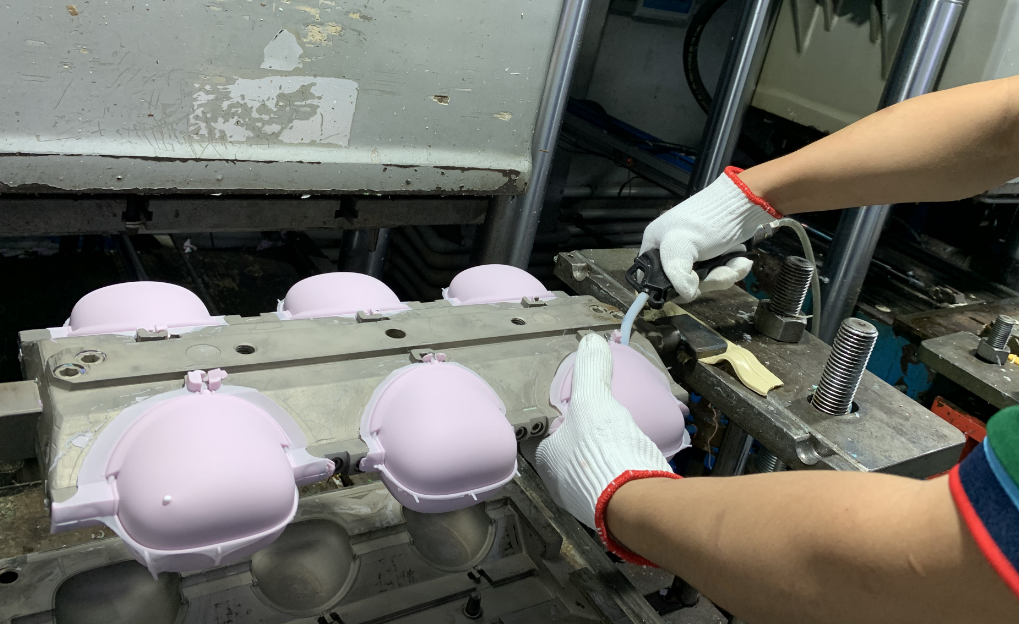
Silicone over-molding is a molding process that molds silicone over, under, or through a substrate material to complete the final part. It involves over-molding silicone rubber onto a wide variety of thermoplastics, metals, electronics, and other substrates. We often over-mold silicone rubber to plastic parts and metal inserts to absorb shock, act as a seal, serve as a protective cover, or give a soft feel to the touch. Insert molding uses pre-placed components, while over-molding often uses multi-shot processes for high-volume, seamless bonding.
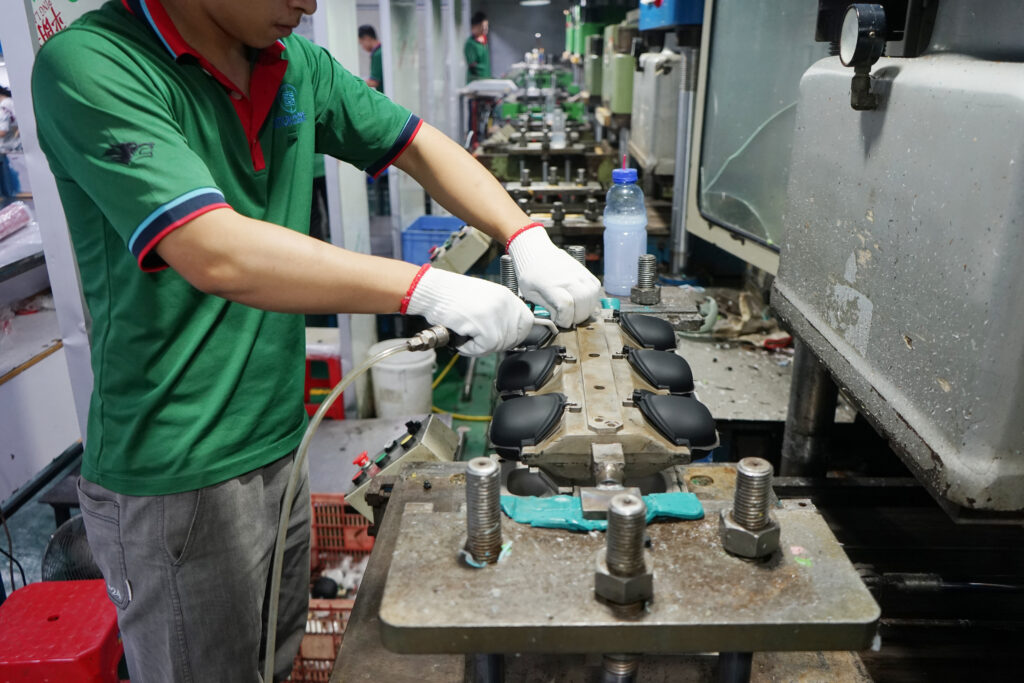
- Inquiry & Drawing Review: We review your PDF, CAD, IGS, STP, STEP, or X-T files for feasibility.
- DFM Feedback: Design for Manufacturability feedback to optimize bonding and reduce cost.
- Substrate Preparation: Metal, plastic, or silicone substrates are cleaned and prepared for bonding.
- Tooling / Mold Making: Precision molds designed for multi-material injection or compression over-molding.
- Sample / Prototype: First shots to validate bond strength, fit, and functional performance.
- Trial Run & Approval: Process validation, dimensional inspection, and bond integrity testing.
- Mass Production: Stable over-molding cycles with automated substrate placement and monitoring.
- Inspection & Shipment: Bond pull testing, final inspection, and secure packaging for delivery.
Where Are Silicone Over & Insert Molding Used?
Due to silicone’s unique set of properties, it has become one of the most popular elastic materials and you can find examples of custom LSR molding across many industries. Here are some industries where Liquid silicone rubber injection molding is used:
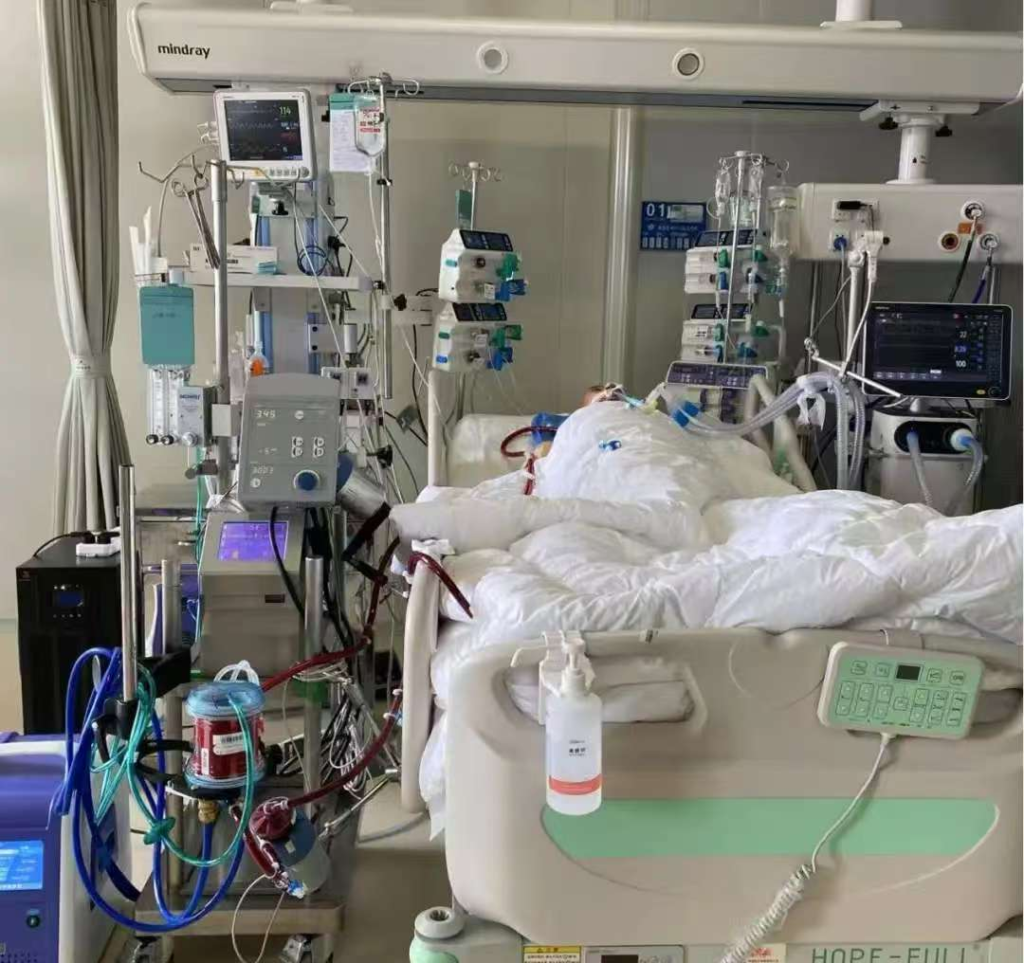
Medical Industry
Surgical instrument grips, syringe plungers, wearable health monitors, catheters, and sealing components in diagnostic equipment
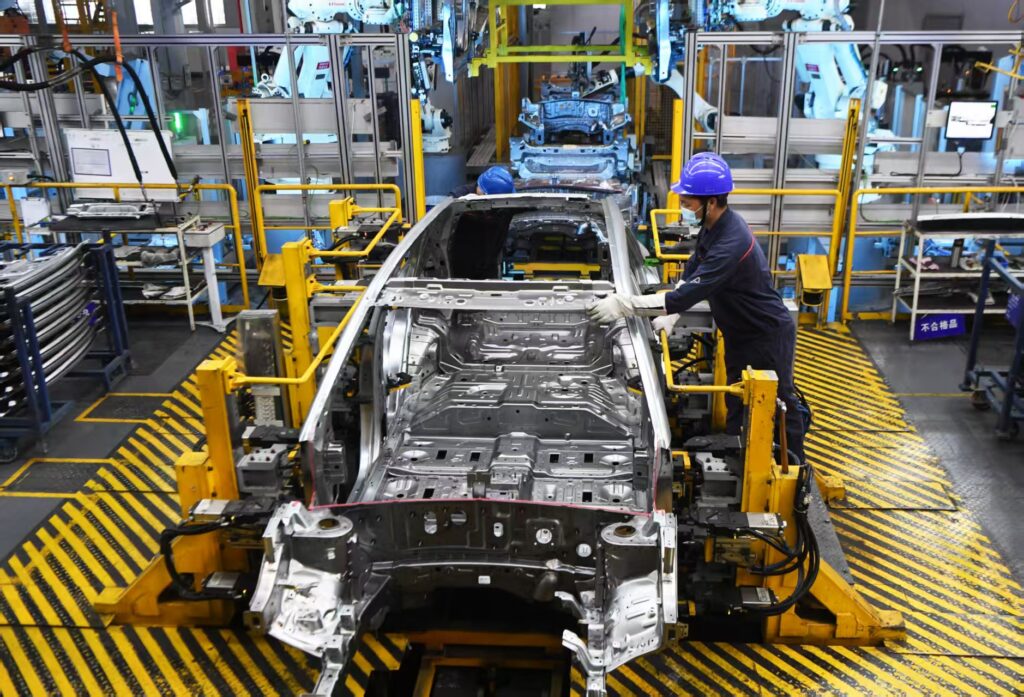
Automotive Industry
Seals, gaskets, electric connectors, and vibration-dampening interior parts

Electronic Industry
Screwdrivers, toothbrushes, and provide shock absorption and waterproofing for electronic devices

Construction industry
Seals in machinery, valves, and water heaters
Materials & Specifications
We work with LSR, HCR, and HTV silicone rubbers, bonding them to metal, plastic, and other substrates for optimal performance.
Substrates
Metal, Plastic, Silicone, Electronics
Available Mold Types
Copper, steel (tool steel, carbon steel), and aluminum molds. Production grades range from Class S50C (prototype) to Class P20 (high production). Single, multi-cavity, and family molds with side actions including hand-loaded. Tighter tolerances can be requested but may increase tooling cost due to additional sampling. Z.S.R mills to a steel-safe condition on critical features.